
Metal & Steel Garden Edging NZ: Complete Guide | EverEdge

27 July 2026

Share this article


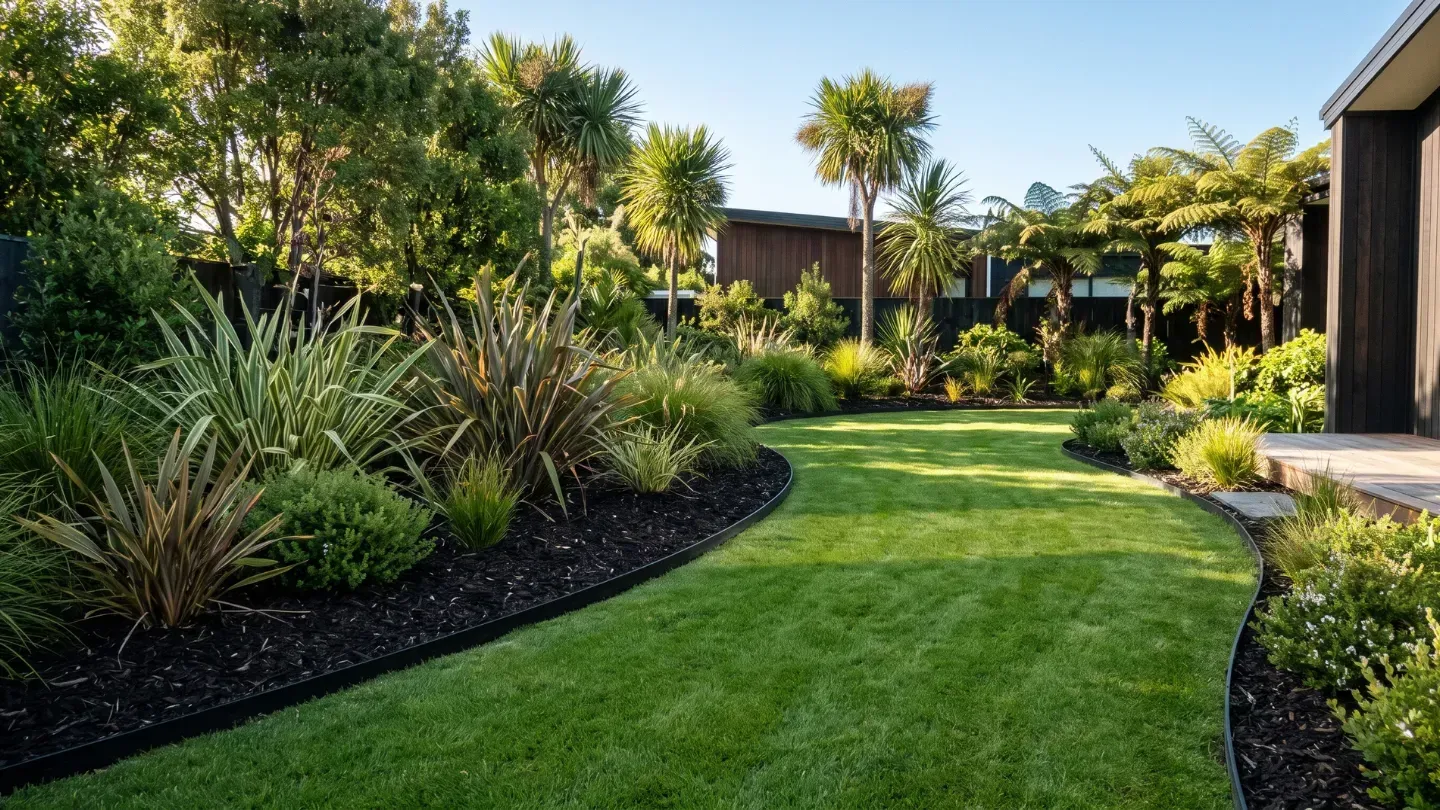
Ask any professional landscape designer in New Zealand how they achieve those razor-sharp, architectural garden lines, and they will usually point to a simple secret weapon: steel landscape edging .


While lush native plantings, custom paving, and vibrant lawns capture the spotlight, it is the underlying border structure that holds the entire design together. For decades, home gardeners relied on cheap plastic strips that warped in the summer sun or treated timber bender boards that rotted out within three seasons.


Engineered metal edging has changed the game completely. Once an insider secret reserved for high-end commercial projects, high-grade steel garden edging is now accessible to every Kiwi DIYer looking for a permanent, professional finish.


Whether you are revamping a compact urban courtyard or setting out a sprawling Canterbury rural property, this guide covers everything you need to know about choosing, specifying, and installing metal landscape edging.


Is Metal Garden Edging Right for Your Project?

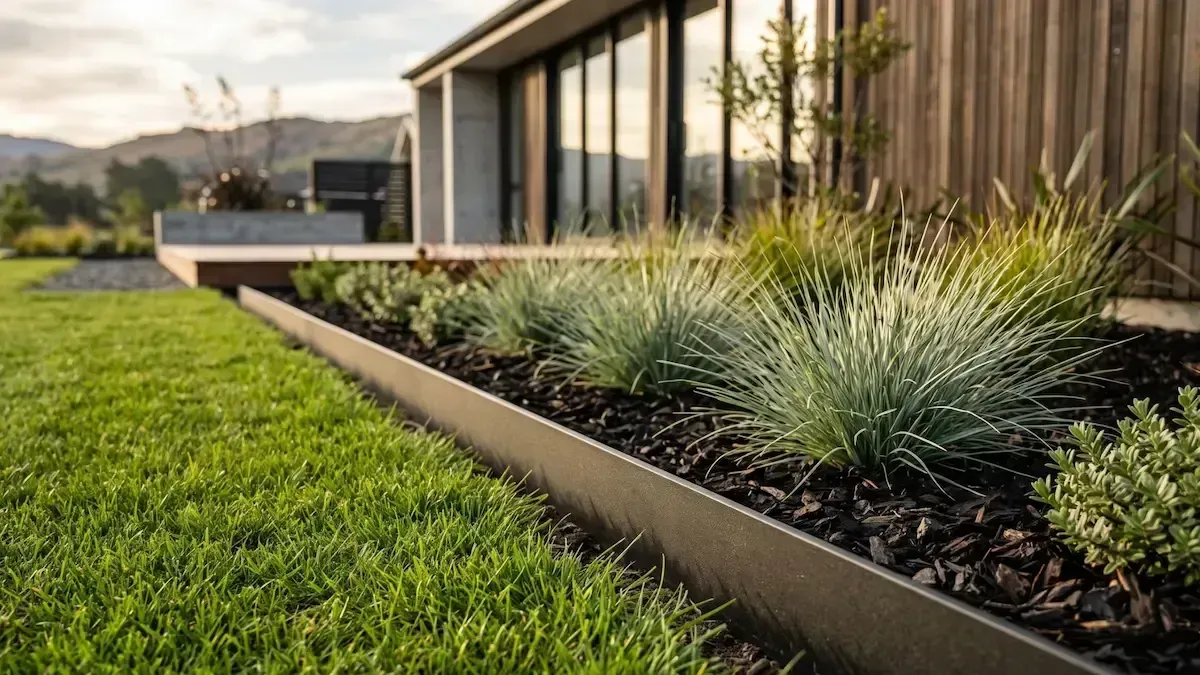
The short answer is yes. Steel edging is exceptionally versatile, working seamlessly across traditional cottage gardens, contemporary architectural homes, and rugged Kiwi lifestyle blocks. Because steel provides structural weight without adding visual bulk, it defines landscape boundaries without distracting from your plantings or hardscaping.


Garden Bed and Border Definition


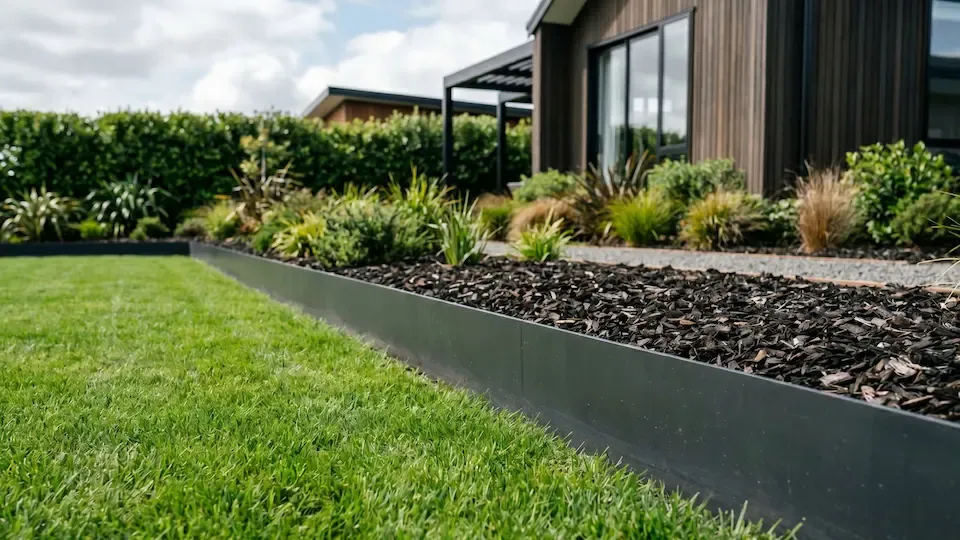
A garden in full bloom loses its impact when the edges look messy. Soft topsoil and bark mulch naturally bleed onto surrounding areas during heavy rain. Steel bed edging creates a permanent vertical retaining wall that keeps dark mulch in the garden and off your paths, keeping garden beds neatly framed year-round.


Steel Lawn Edging and Mower-Safe Boundaries


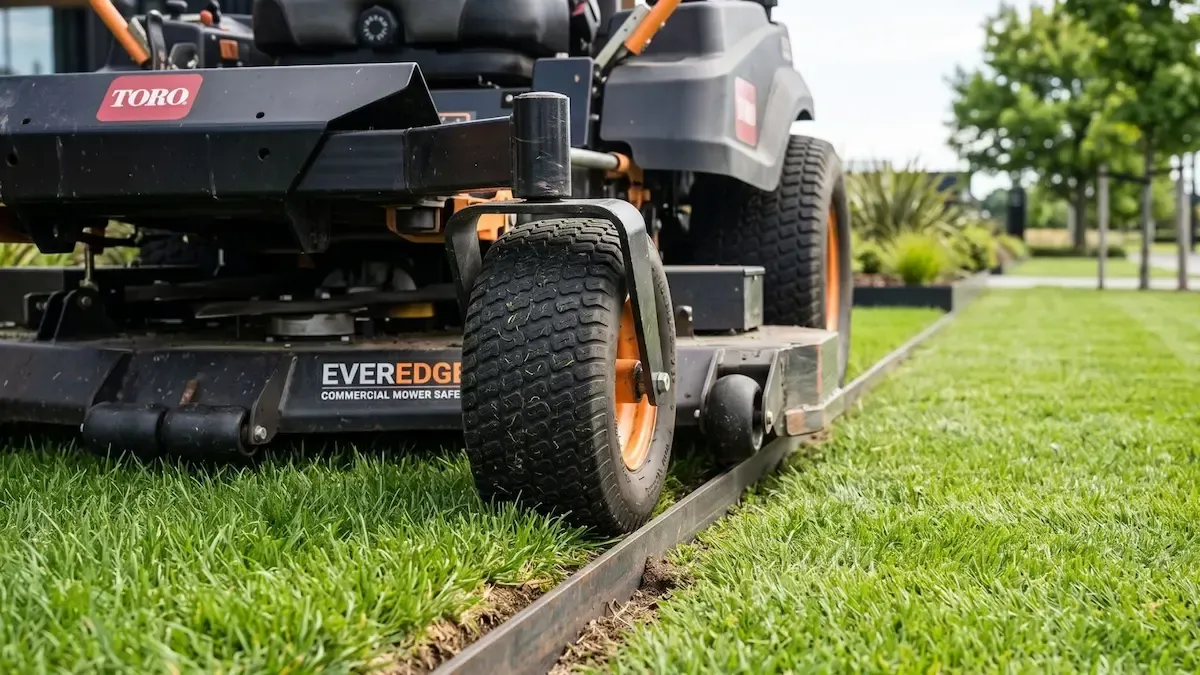
Invasive grass species like Kikuyu and Couch grass are notorious for sending aggressive underground runners straight into pristine flower beds. A continuous steel border driven deep into the soil acts as an impenetrable root barrier. Set flush with the lawn, it creates a rigid boundary that lawnmower tyres can roll directly over—eliminating the need for line trimming.


Metal Path Edging for Curved and Geometric Layouts


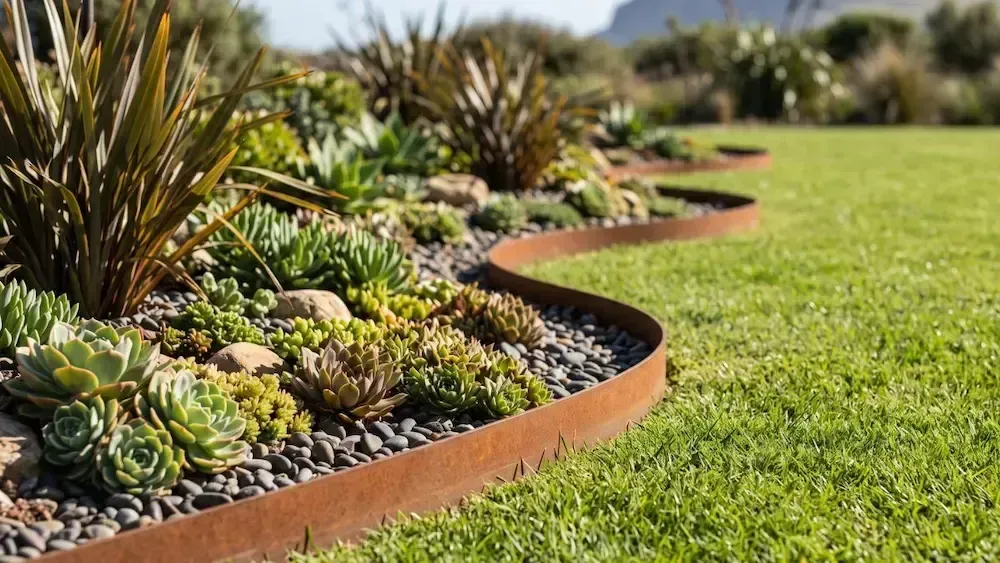
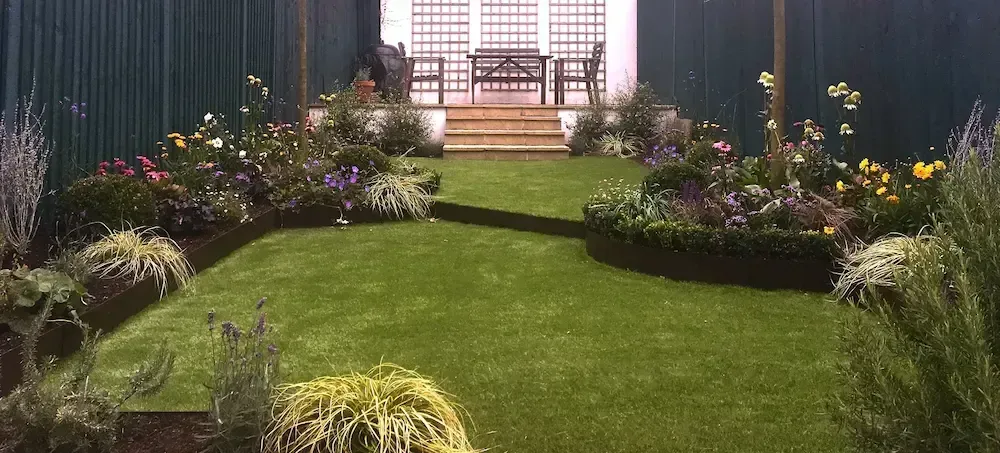
Whether your landscape plan features a formal geometric path or a sweeping, organic curve, high-tensile steel bends smoothly on-site. It retains loose aggregates like gravel, crushed river stone, or bark chips, keeping pathways neatly contained under foot traffic.


Driveway Steel Edging for Heavy-Duty Retention


Driveways endure constant weight and lateral tire pressure. Working alongside surface contractors, heavy-duty steel edging provides a rigid framework to retain and divide asphalt, concrete, resin-bound, or loose gravel driveways, delivering crisp kerbside appeal that stands up to daily vehicle traffic.


Steel Step Risers and Sloped Terracing


Sloping sites present unique erosion challenges. Steel edging allows you to construct clean step risers and terraced garden beds, stepping down contoured slopes while holding soil securely in place.

Modern house with large windows beside a landscaped garden and green lawn at sunset


Key Benefits: Why Engineered Steel Outlasts Timber and Plastic


When evaluating garden edging options, looking beyond the initial purchase price to consider the  true lifetime ROI  is essential. Traditional materials may seem cheaper upfront, but their ongoing replacement costs add up quickly.


Indestructible Weather Resistance:  New Zealand’s high UV index degrades plastic edging quickly, making it brittle and prone to cracking. Meanwhile, wet winter soils cause timber benders to warp, splinter, and rot. Engineered steel is immune to rot, frost heaves, and extreme UV exposure.


Maintenance Tool Shield:  Weed eaters, line trimmers, and lawnmower blades shatter plastic borders and chew through wooden edges. Steel edging acts as a protective shield, taking direct strikes from garden equipment without denting or scuffing.


Root and Weed Suppression:  Sitting deep in the soil profile, steel edging creates a continuous underground wall that blocks invasive weed migration and stops grass roots from invading your garden beds.


Aggregate and Mulch Retention:  Keep loose river stones, gravel, and bark mulch exactly where you put them, preventing wash-outs during heavy downpours.


Quick, Integrated Installation:  Unlike generic hardware store metal strips that require separate pegs, wooden stakes, or complex bracket systems, premium systems feature built-in connection mechanisms and integrated ground spikes.


Choosing the Right Finish: Cor-Ten, Galvanised, or Powder-Coated?

Selecting the right aesthetic finish depends on your home’s architectural style and the overall look you want to achieve in your outdoor space.


1. Cor-Ten Weathering Steel


Cor-Ten is a specialized steel alloy designed to form a stable, protective rust-like patina when exposed to the elements. This outer layer seals the underlying metal, preventing structural corrosion. Its warm, organic orange-brown tones look stunning alongside native New Zealand foliage, dark bark mulch, and raw concrete hardscaping.


2. Hot-Dipped Galvanised Steel


Coated in a protective layer of zinc, galvanised steel provides exceptional resistance to rust and corrosion. Its clean, industrial silver appearance offers a modern edge that pairs exceptionally well with grey aggregate gravels, coastal plantings, and contemporary architectural homes.


3. Thermal Powder-Coated Steel (Matte Black or Brown)


If you want your edging to frame your garden without drawing attention to itself, powder-coated steel is ideal. The durable thermal coating bonds tightly to the metal, providing a sleek, low-glare boundary that blends seamlessly into dark soil and lush green turf.

Curved metal edging borders a succulent garden bed beside a lush green lawn in bright sunlight

Gauge and Engineering: Why Steel Thickness Matters


Not all metal edging is created equal. Cheap, paper-thin metal strips found in big-box retail stores often lack structural integrity, buckling under soil pressure or bending out of shape when stepped on.


For commercial-grade strength that remains flexible enough to form smooth curves, a  1.6mm gauge engineered steel  profile is the industry benchmark.


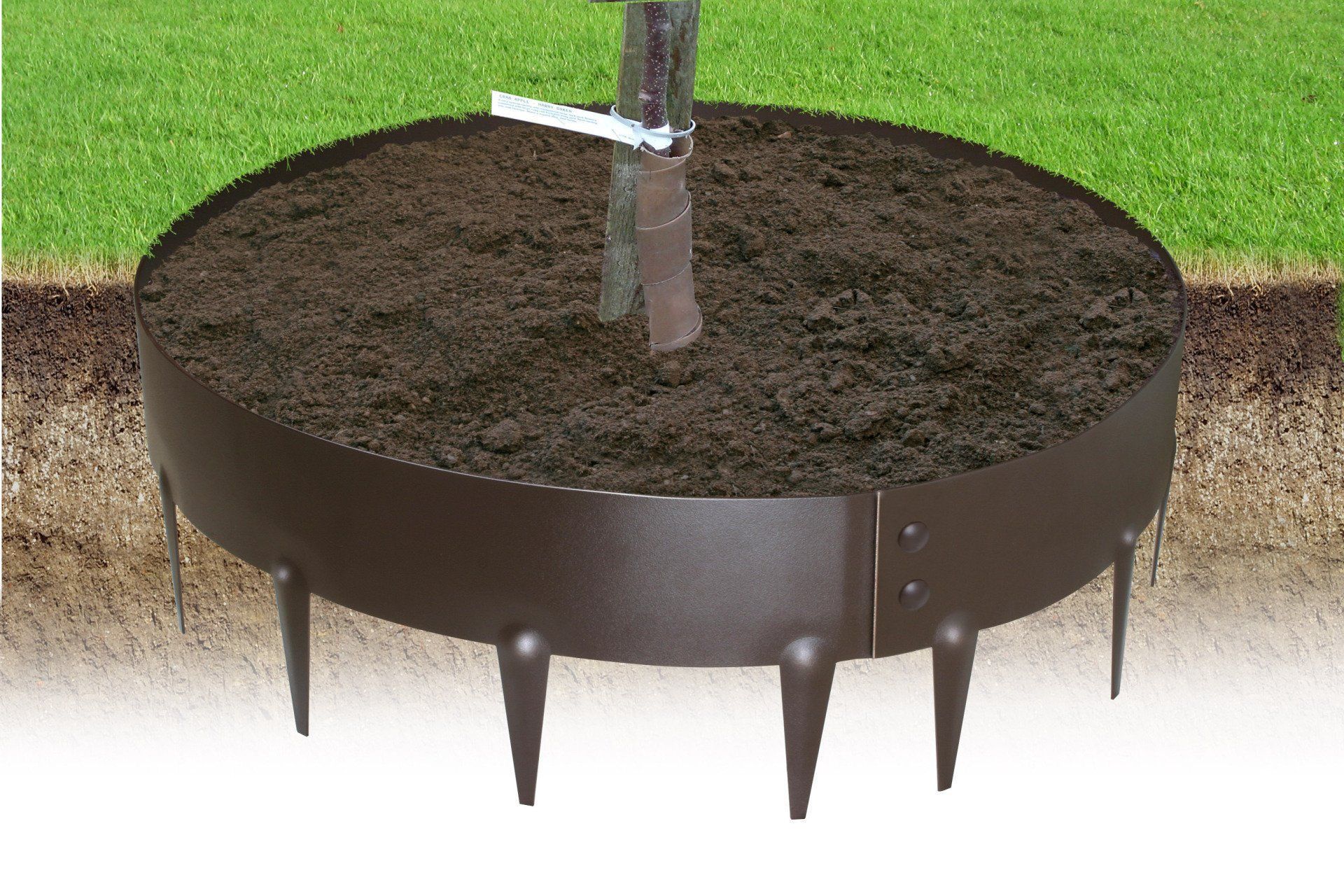
By engineering the ground spikes directly into the steel length itself, the edging locks firmly into the sub-base earth. This stops ground frost or expanding clay soils from lifting the border over time, ensuring your garden lines remain straight, level, and secure.


Step-by-Step: How to Install Metal Landscape Edging


One of the biggest advantages of systems like EverEdge is that installation requires  no specialized contractor tools, separate joining pins, or messy concrete foundations .


1. Mark and Prepare the Line

Lay out a garden hose or rope to establish your desired boundary line. Use a standard flat spade to cut a clean vertical guide trench roughly 75mm to 100mm deep along your line.


2. Lock the Sections Together

Position your first length of steel edging in the trench. Align the second section and slide the patented tongue-and-slot interlocking mechanism together. This creates a continuous, rigid join that will not separate under ground pressure.


3. Drive the Integrated Spikes Home

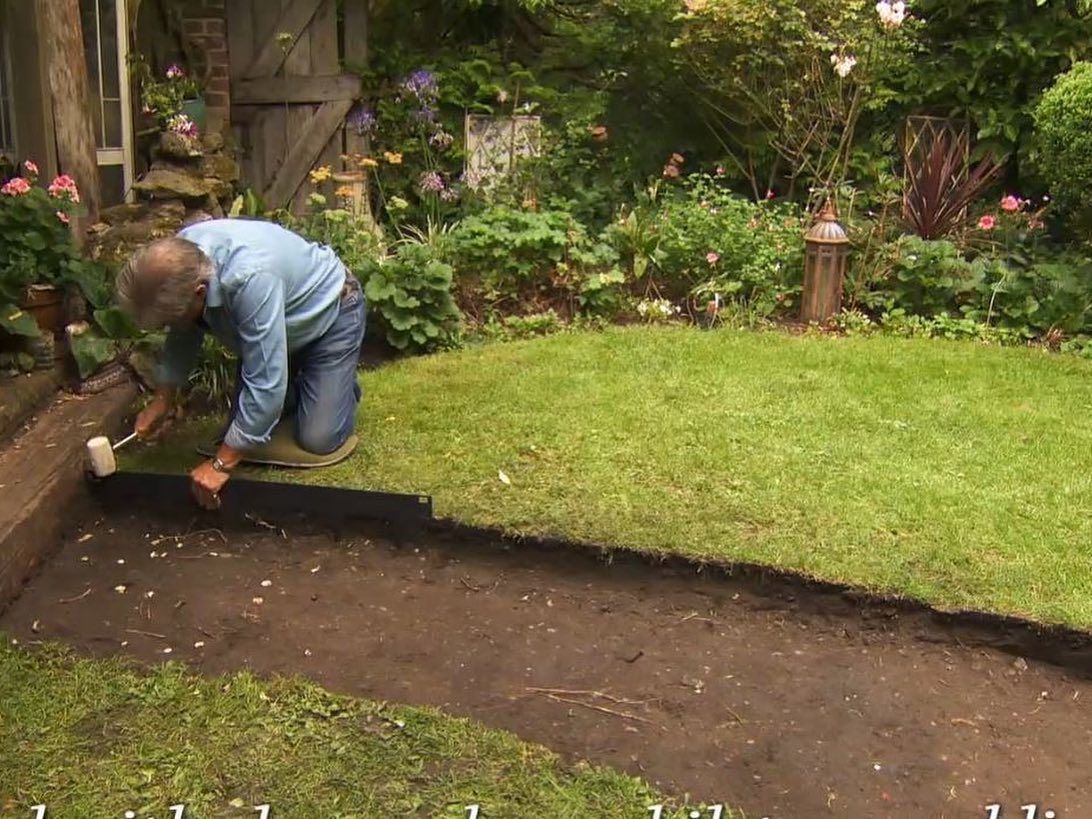
Place a short wooden block over the top edge of the steel to protect the finish. Using a heavy rubber mallet, gently tap along the length of the steel to drive the integrated 75mm ground spikes deep into the undisturbed soil below.


4. Backfill and Compact

Backfill your garden soil, bark mulch, or pathway gravel tightly against the face of the steel edge. Compact the earth firmly with your foot to anchor the installation completely.


Transform Your Garden Boundaries with EverEdge NZ


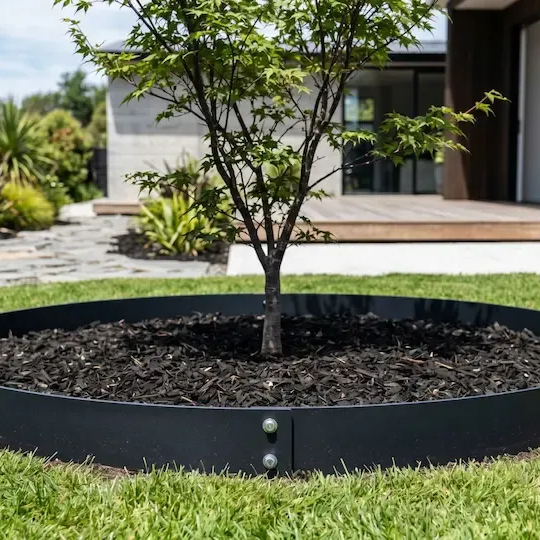
Whether you need pre-formed circular tree rings, flexible lawn borders, or heavy-duty driveway edging, EverEdge delivers the original British-engineered steel edging built to withstand New Zealand's unique climate.


  • Nationwide Direct Shipping:  Fast, reliable freight straight to your home or job site across New Zealand.


  • Local Christchurch Pickup:  Save on freight by arranging convenient collection from our Mairehau hub at 1 Haughey Drive (by appointment).


  • Trade Account Support:  Commercial contractors, landscapers, and civil specifiers can access trade pricing and bulk freight logistics.


  • Ready to give your landscape project a permanent, professional finish ?


Have questions about specify quantities or choosing the right height for your project? Contact our local Christchurch team online or call us directly on
021 925 389 . We are always happy to help you get the job done right.

Recent Posts

19 November 2026
If you spend half your Saturday afternoon fighting a losing battle between your lawnmower, a line trimmer, and creeping kikuyu or couch grass, a mowing strip is one of the smartest upgrades you can make to your section.  Across New Zealand backyards, homeowners and landscapers are moving away from bulky, poured concrete borders in favour of sleek, flush steel mowing strips. They give your mower wheel a solid, level track to run along, stop grass runners invading your garden beds, and eliminate the need to haul out the weed-eater every time you cut the grass. Here is everything you need to know about mowing strips in NZ—including how different materials stack up, what you can expect to pay per metre, and how to install a steel mowing strip yourself over a single weekend. What Is a Mowing Strip and Why Use One? A mowing strip is a firm, flush-mounted border installed right along the boundary between your lawn and a garden bed, gravel path, or driveway. Unlike raised kerbing or chunky timber sleepers that force you to leave an uncut strip of long grass right up against the edge, a proper mowing strip sits level with (or just millimetres below) your turf height. That small design detail solves three common headaches for Kiwi gardeners: Zero Line Trimming: One wheel of your lawnmower rides cleanly along the border while the blades pass safely overhead, cutting right to the edge of the grass in a single pass. Stops Invasive Grass Roots: Vigorous New Zealand lawn grasses—especially kikuyu in the North Island and creeping fescues further south—love sneaking under shallow borders into bark mulch. A deep vertical edge acts as an underground root barrier. Holds Mulch and Stones in Place: Heavy rain and blackbirds scratching in garden beds quickly scatter bark nuggets and decorative pebbles onto your lawn, turning them into dangerous projectiles the next time you mow. A crisp edge keeps everything where it belongs. Mowing Strip Materials Compared: Concrete vs Brick vs 1.6mm Steel Traditionally, building a mowing strip in New Zealand meant digging a wide trench, boxing it up with timber, mixing bags of concrete, and spending a weekend on your knees with a trowel. Today, you have much cleaner options.
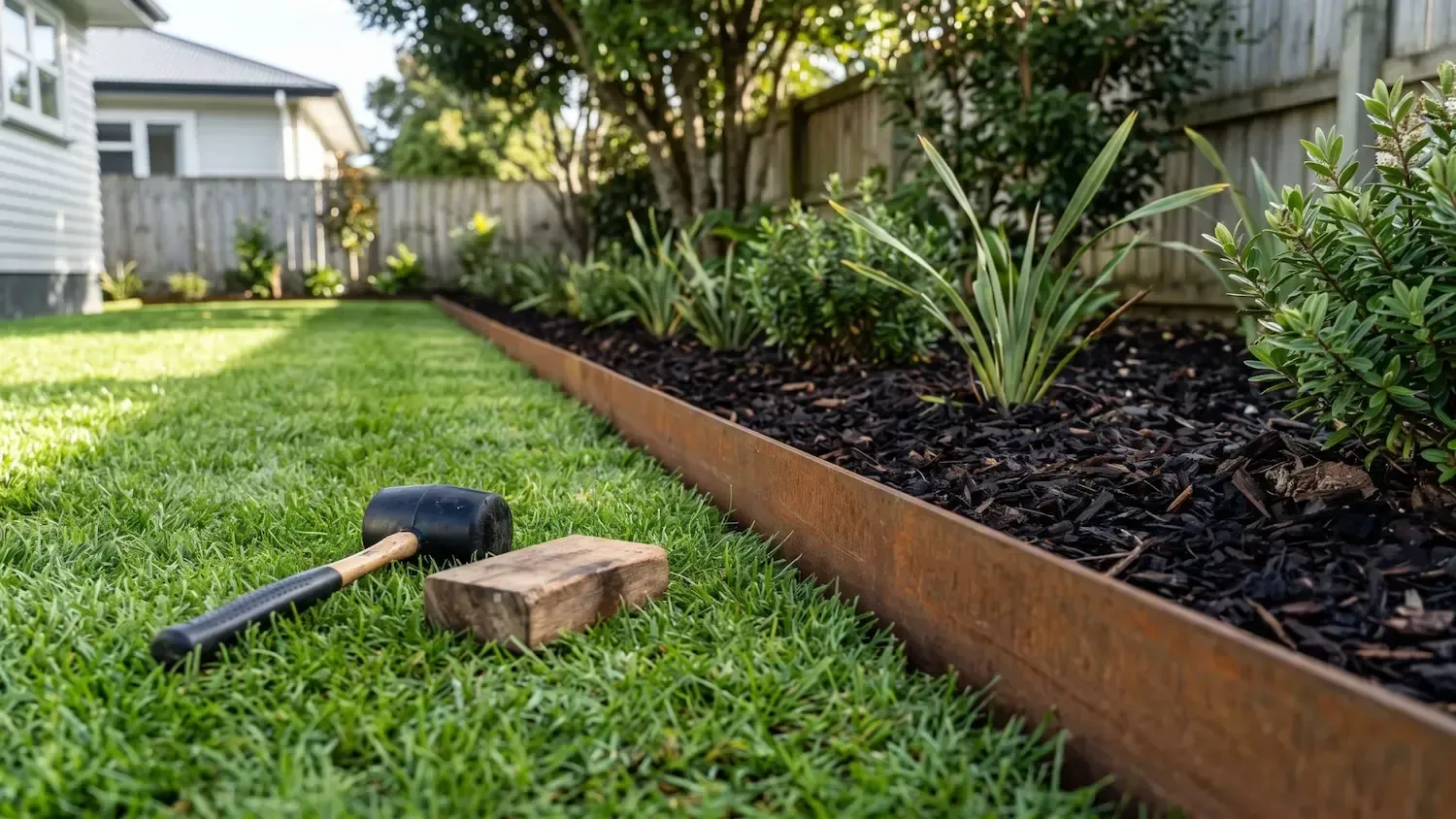
Garden bed edging along a grassy backyard, with a hammer and brick in the foreground.
by Grace Rowland-Jones • 19 October 2026
Step-by-step guide to installing EverEdge flexible steel and Cor-Ten garden edging in NZ. Master tool prep, curving, and mower-safe borders.
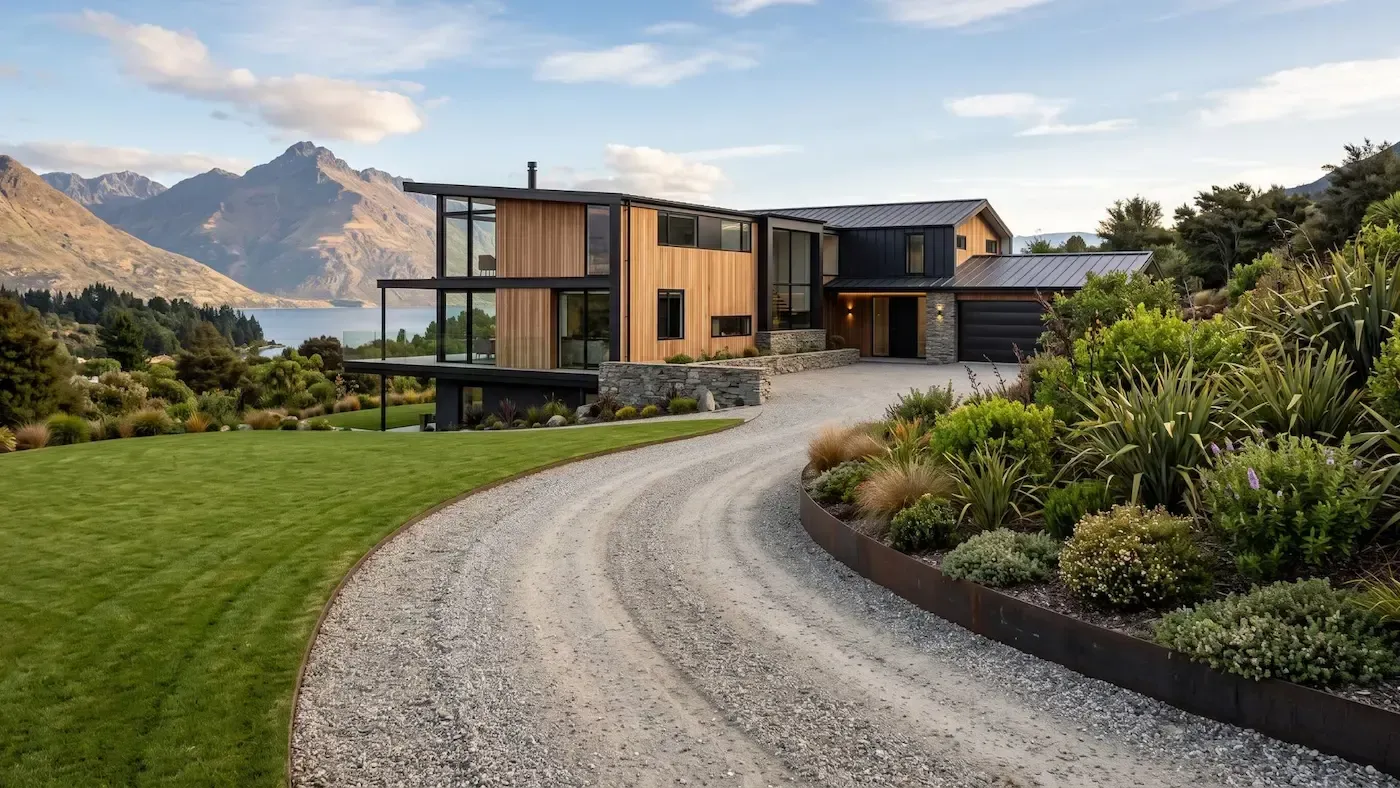
Modern house with a curved gravel driveway, green lawn, and mountain view at sunset
17 September 2026
Comparing concrete mowing strips and flexible steel edging? Discover real NZ costs, longevity, installation effort, and frost resistance before you build.
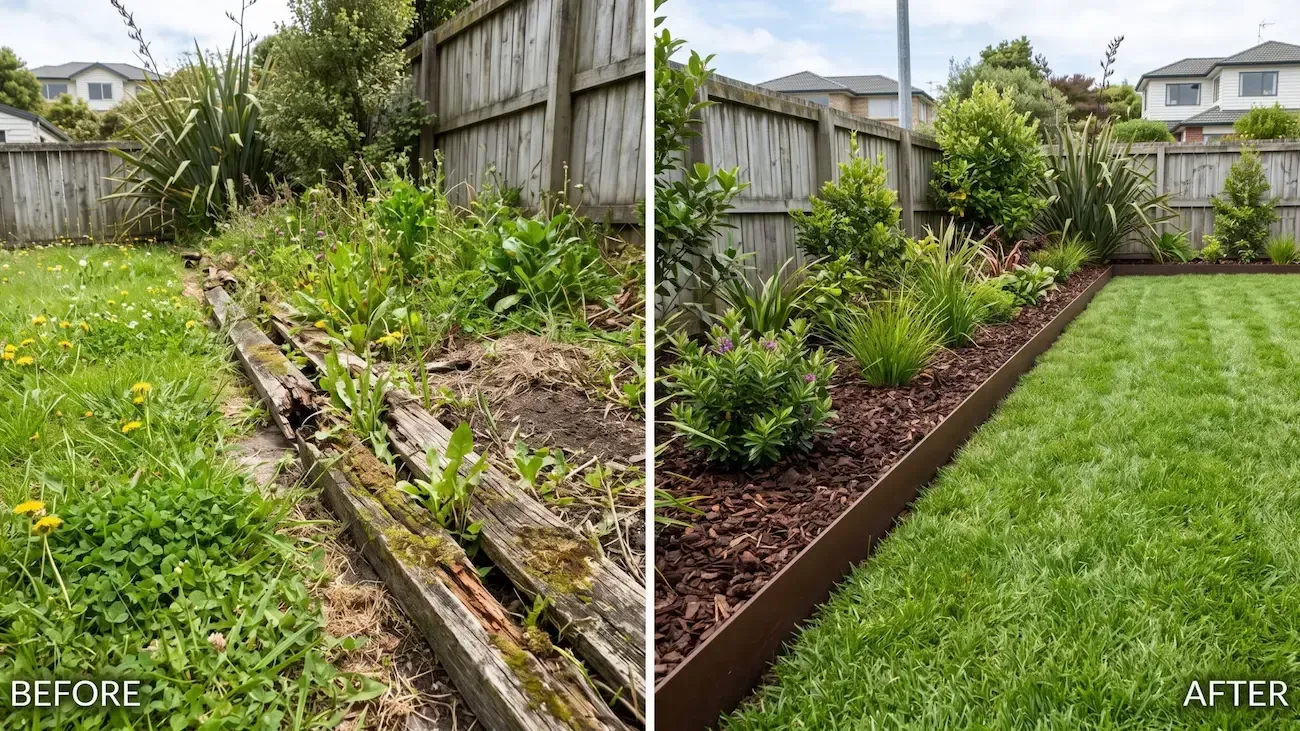
Before-and-after backyard: overgrown garden transformed into neat, mulched planting beds and lawn.
14 September 2026
Compare timber and steel garden edging for NZ backyards. Discover differences in rot resistance, installation effort, and long-term value.
Lawn mower trimming grass along a straight edge beside a sidewalk
30 June 2026
Master your lawn care in winter. Discover how to protect your soil profile, manage damp mowing, and establish permanent, mower-safe steel borders before spring.
Lush garden path leading to steps and a white pergola, with flower beds and a green lawn on both sides
19 May 2026
Explore sunken vs raised garden beds in NZ. Learn benefits, drainage, aesthetics, and choose the best landscape design for your outdoor space.

Child running through a shallow puddle on green grass, splashing water with bare feet
22 April 2026
Tired of a boggy lawn? Discover how to prevent soil erosion and improve garden drainage this winter with EverEdge steel edging. The definitive NZ guide.
Cross-section of a circular soil planter with a central post and black legs supporting the bed
16 March 2026
Stop lawnmower damage and create a stunning landscape edge. Discover why EverEdge metal tree rings are the ultimate secret to healthy, thriving trees in NZ.
Person laying edging along a garden path beside a green lawn and flowers
18 February 2026
Stop wasting weekends replacing rotten timber or brittle plastic. Learn the most common DIY edging blunders and how steel edging solves them once and for all.
Show More