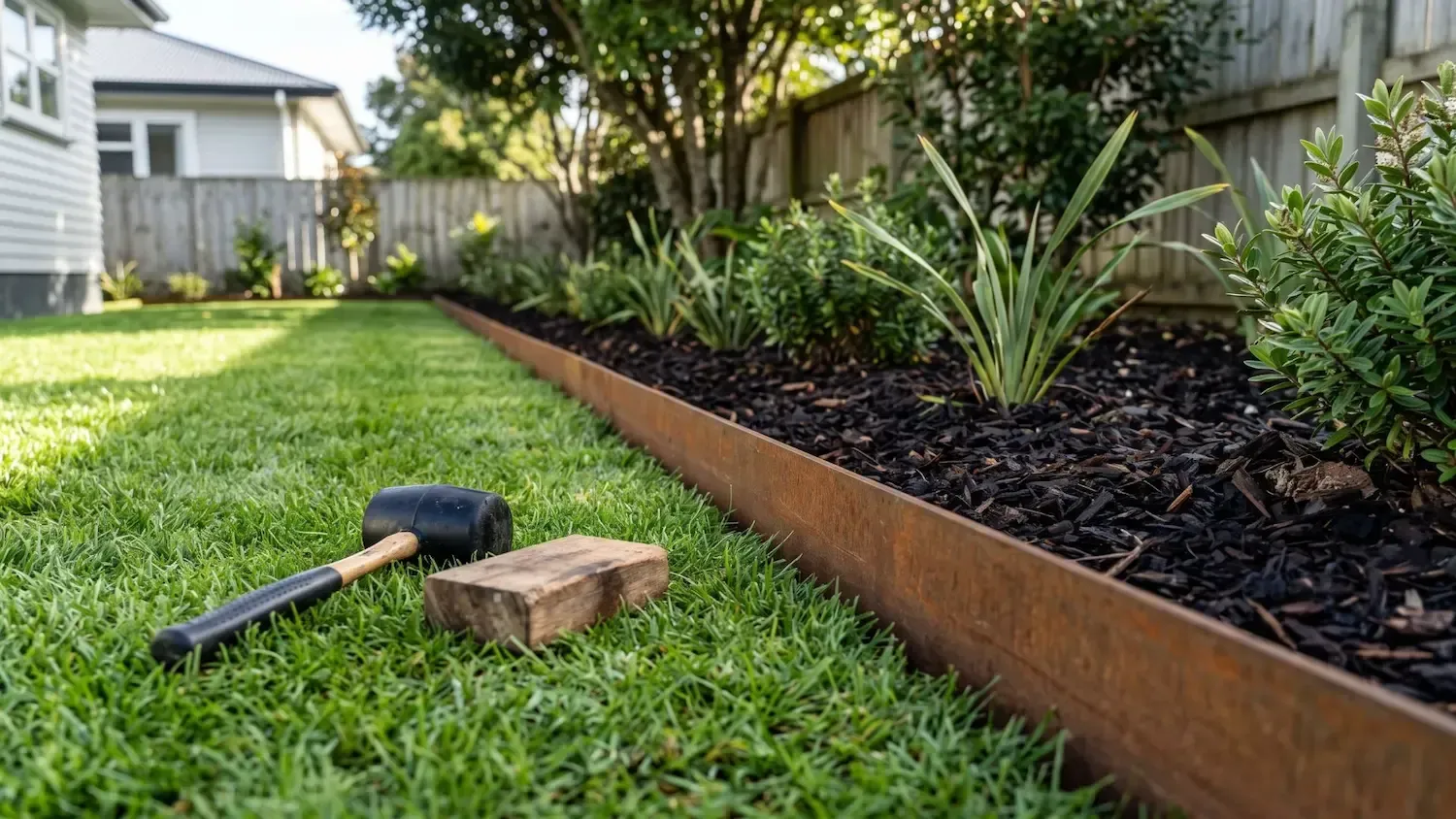
Corten Steel Edging: The Complete NZ Guide to Weathering Steel
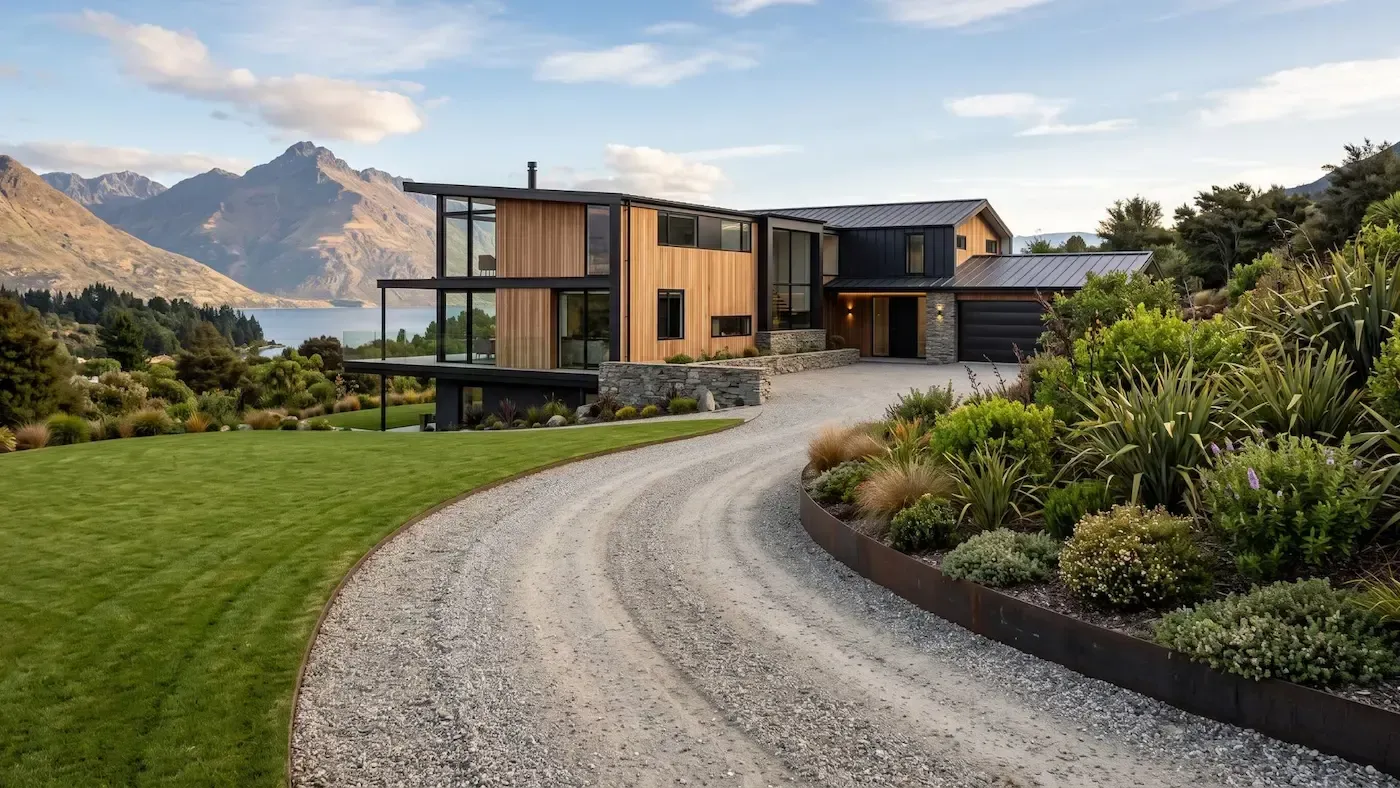
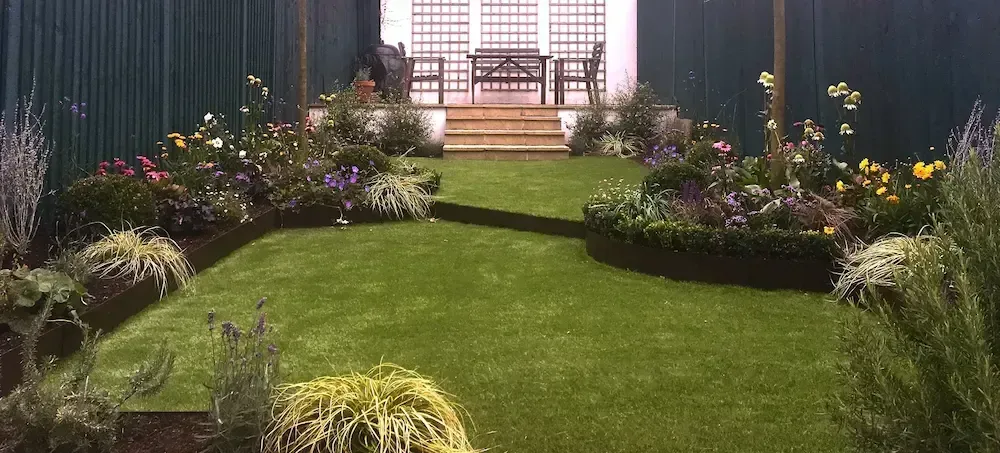
Walk through any high-end landscape design in New Zealand—from the rugged hills of Queenstown to the manicured villas of Ponsonby—and you will likely spot a familiar material. It’s warm, textured, and distinctly rusty.
Corten steel (or weathering steel) has become the darling of landscape architects. It bridges the gap between the industrial and the organic, offering a look that feels both modern and timeless.
But for many Kiwi homeowners, "rust" is usually a bad word. We spend our lives trying to keep rust off our cars and roofs. So, why would you pay to put it in your garden?
In this guide, we are going to answer every question you have about Corten steel garden edging. How does it work? Will it stain your expensive pavers? And most importantly, is it the right choice for your garden?
What exactly is Corten Steel?
"Corten" is actually a trade name (COR-TEN), but it’s commonly used to describe any "weathering steel."
Unlike mild steel, which will rust until it eventually flakes away and disintegrates, Corten is chemically engineered to form a stable, protective layer of rust (patina) on its surface.
Think of it like a scab. When the steel is exposed to the elements, it rusts on the surface. This rust layer then hardens and seals the steel underneath, preventing any further corrosion.
The Result: A material that looks beautifully weathered but maintains its structural strength for decades.
The Weathering Process: What to Expect
When your EverEdge Corten edging arrives, it might not look like the pictures. In fact, it might look dark grey or have only tiny speckles of rust. Do not panic.
Corten steel needs nature to do its work. The weathering process happens in three main stages:
Stage 1: The "New" Look (Weeks 0-2) The steel is dark and slightly oily. At this stage, it looks like standard steel.
Stage 2: The "Bright Orange" Phase (Weeks 2-6) As soon as it rains (or you water it), the rusting begins. It will turn a bright, vibrant orange. This is when the patina is forming but hasn't yet hardened.
Warning: During this phase, the rust can "run off" if it rains heavily. (More on this in the "Staining" section below).
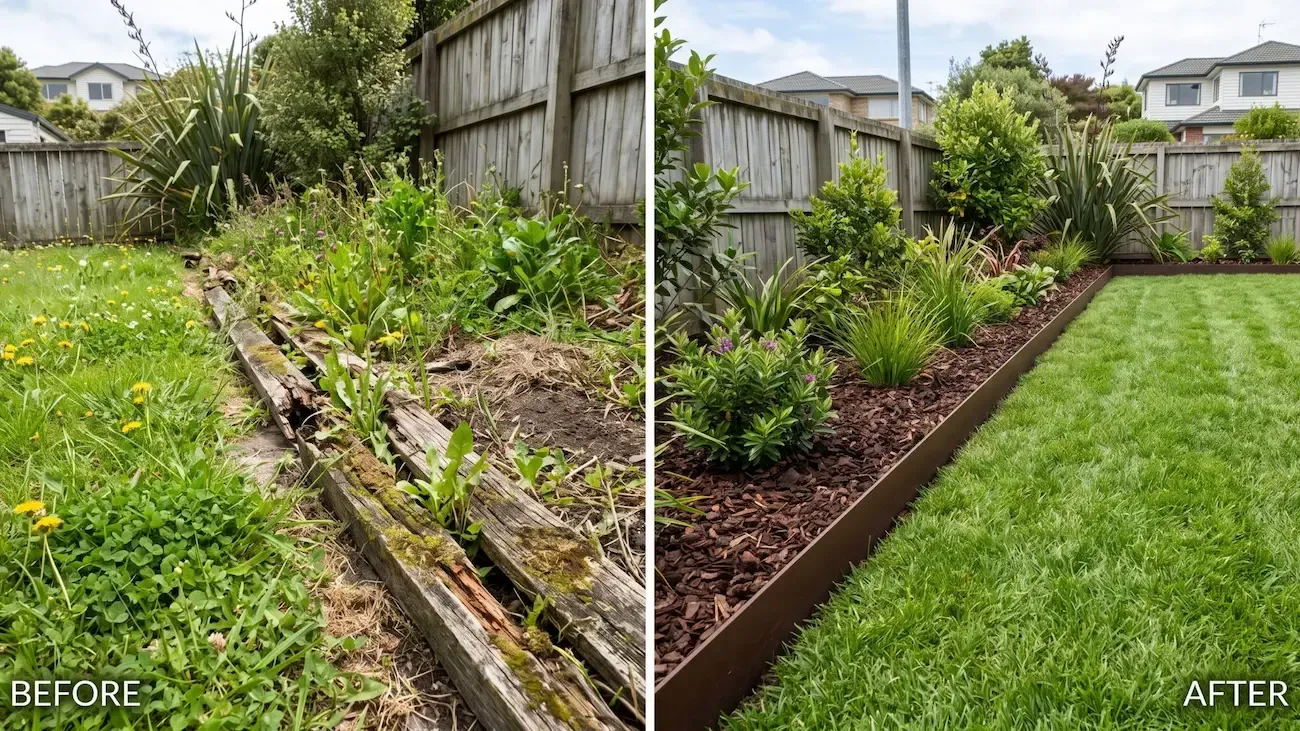
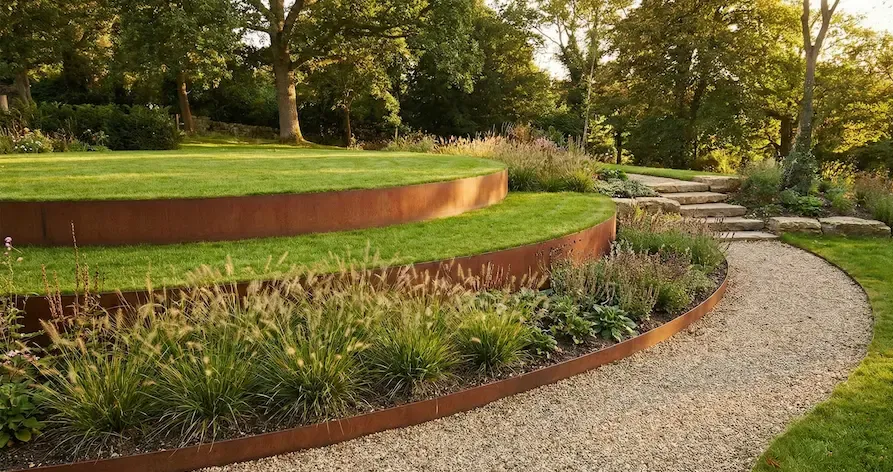
Stage 3: The "Deep Bronze" Finish (Months 6+) Over time, that bright orange darkens into a rich, chocolatey brown. The surface texture becomes slightly rougher, and the protective layer is fully sealed. This is the classic look that designers love.

The Big Question: Will it stain my pavers?
This is the #1 question we get asked. The honest answer is: It depends on when you install it.
During that "Stage 2" phase mentioned above, the rust is active. If rainwater runs off the steel and flows across light-coloured concrete, limestone, or pavers, it can leave a rusty stain.
How to avoid run-off staining:
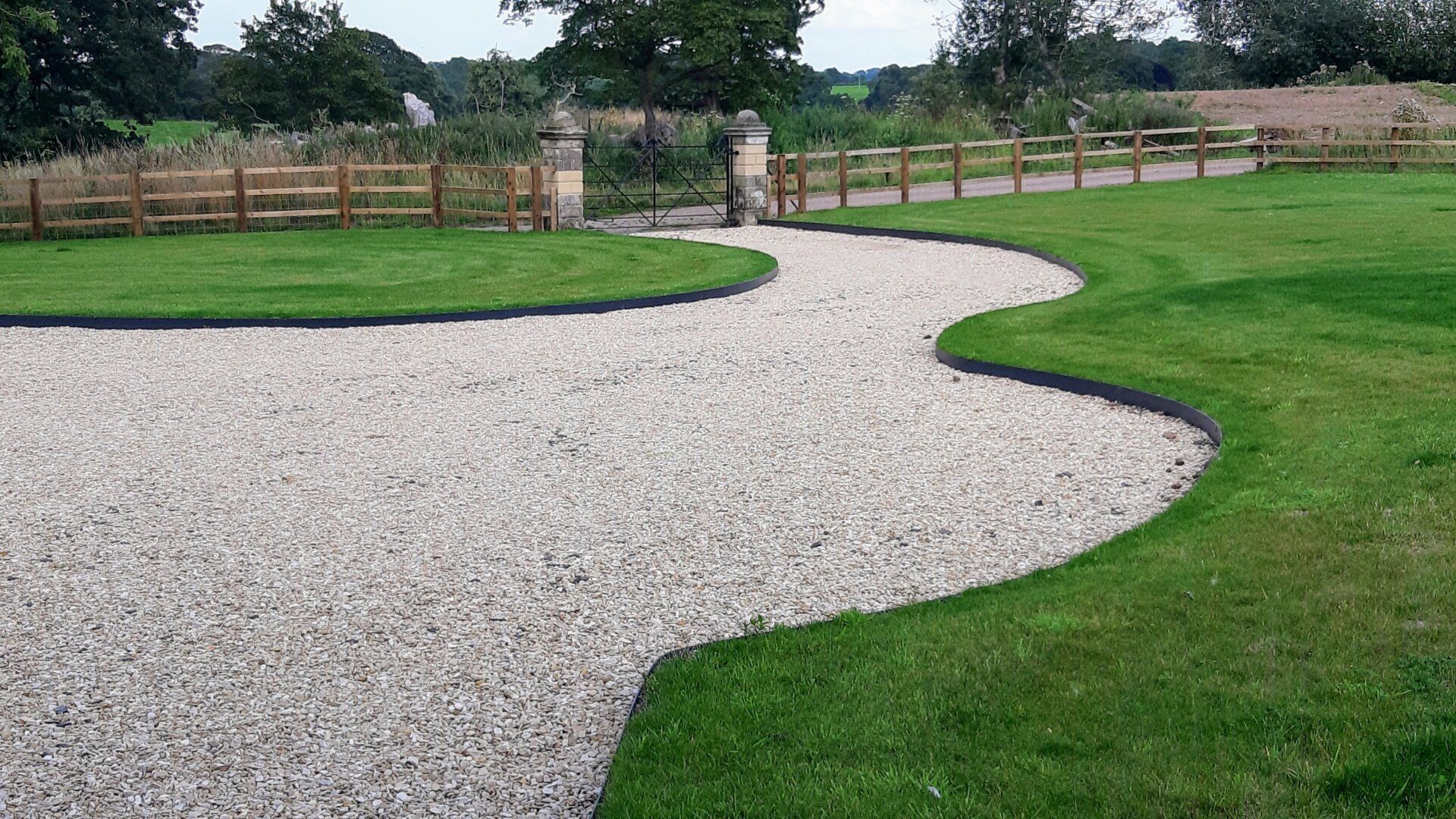
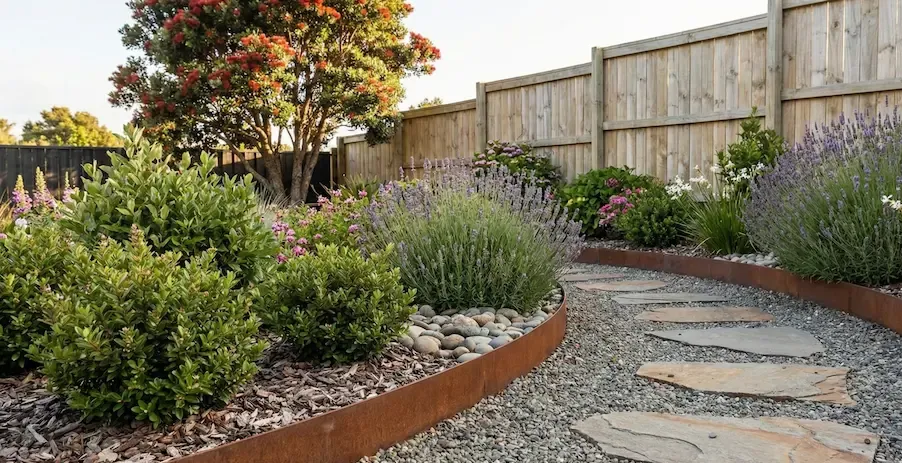
- The Gravel Trick: If you are edging a paved area, use a small strip of gravel or river stones between the steel and the pavers. This acts as a drainage buffer, catching any rust run-off before it hits your clean stone.
- Pre-Weathering: If you are really worried, you can lay your edging out on the lawn or a tarp for a few weeks before you install it. Hose it down with a saltwater mix (1 part salt to 10 parts water) to speed up the process. Once the patina has hardened and darkened, it is much safer to install next to pavers.
Why Choose Corten over Galvanised or Black?
EverEdge comes in three finishes: Galvanised (silver), Powder-Coated (Black/Brown), and Corten. Why choose the rusty one?
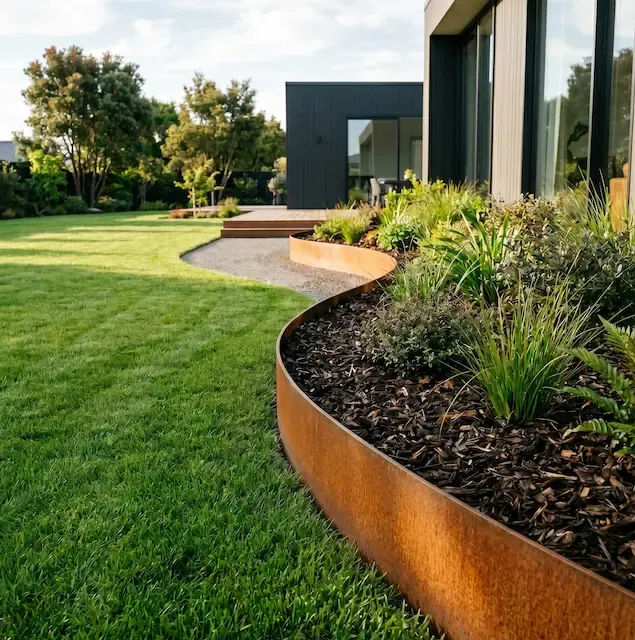
- It Blends In: Black edging is designed to "disappear" via shadow. Corten is designed to be seen—but in a natural way. The earthy tones match perfectly with:
- Mulch & Bark: The brown tones merge seamlessly.
- Green Foliage: The contrast between deep green leaves and rusty orange steel is visually stunning. It makes your plants look greener.
- Native Gardens: It suits the NZ "rugged" aesthetic (Tussock, Flaxes, Manuka) better than shiny metal.
- It Gets Better with Age: Scratch a painted edge, and you have to touch it up. Scratch Corten, and it just heals itself. It is virtually maintenance-free.

Is Corten Steel Safe for Vegetable Gardens?
Yes. There is a myth that the rust will leach heavy metals into your soil. Corten steel is essentially iron with small amounts of copper, chromium, and nickel (to help the rusting process).
The amounts are negligible and not harmful to soil health.
However, if you want to be 100% organic-certified safe, standard Galvanised steel is often the preferred choice for veggie beds just to be purely functional. But for aesthetic raised herb gardens, Corten is widely used and safe.
Installation Tips for NZ Conditions
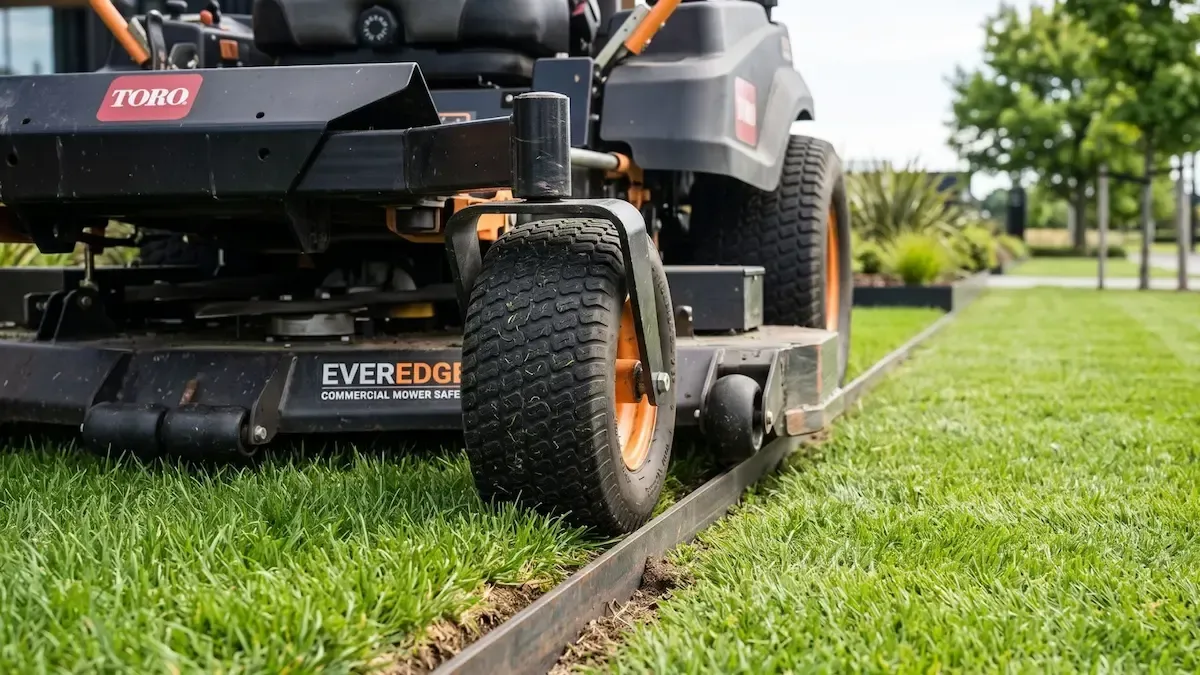
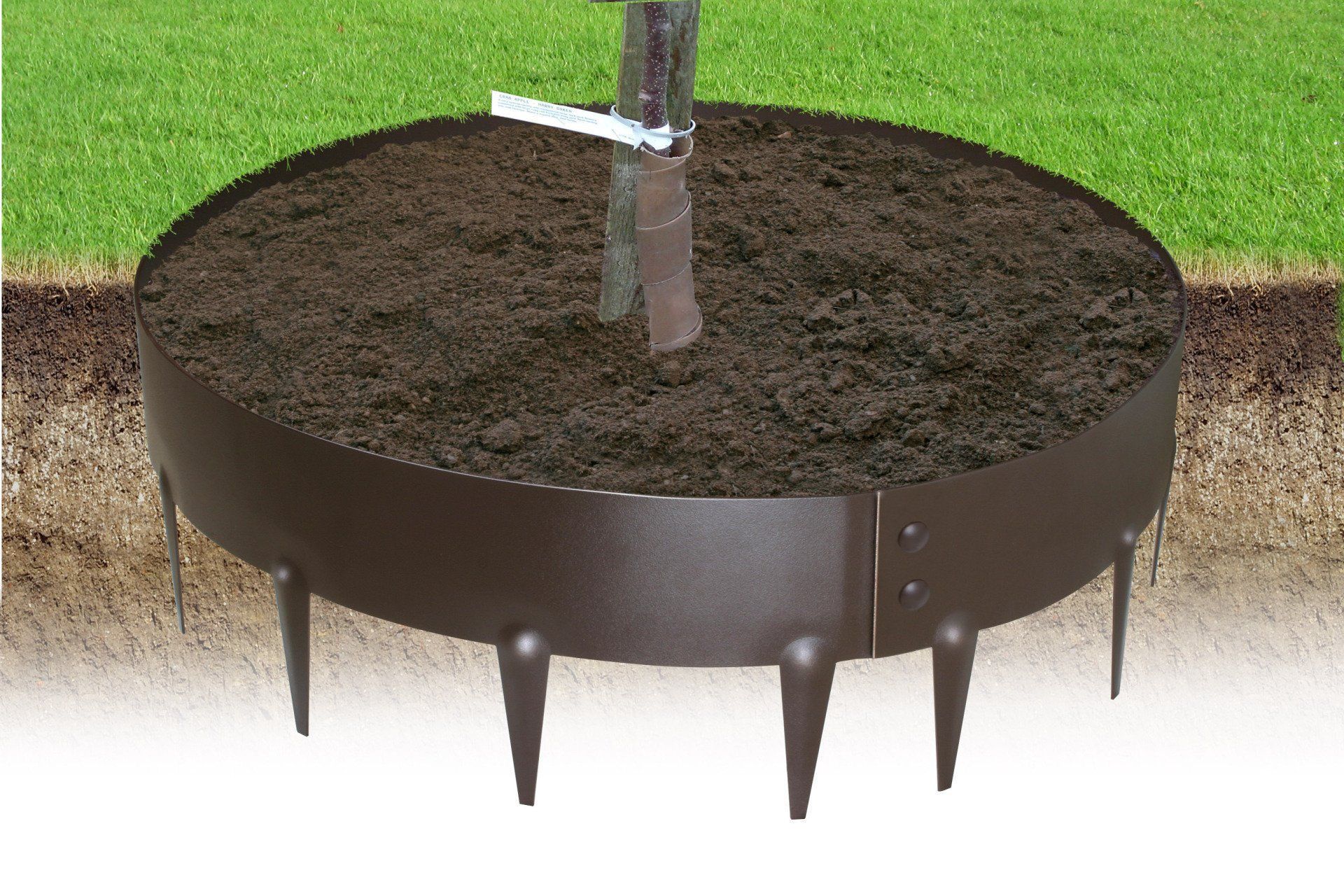
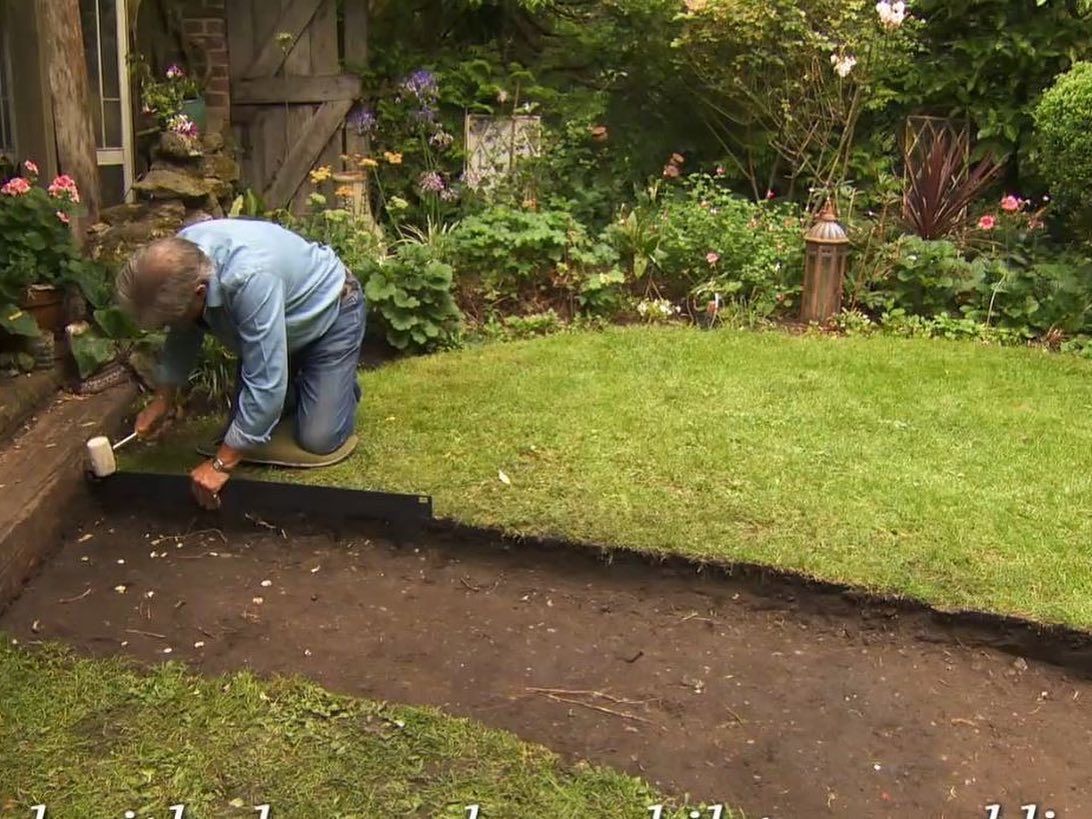
Installing Corten is exactly the same as our Classic range.
The "Ground" Rule: Corten needs a cycle of "wet and dry" to weather properly. Do not bury it completely in a boggy area that never dries out, as the protective rust layer may not form correctly. It needs to breathe.
Coastal NZ: If you live right on the beach (e.g., direct salt spray), the weathering process will accelerate. Corten is incredibly durable, but in extreme marine environments, the steel will wear down faster than it would inland. For 99% of NZ homes, it will last decades.
Corten steel isn't just a barrier; it's a living part of your garden. It changes with the seasons, evolving from a bright orange accent in its youth to a distinguished, deep bronze feature as it matures.
If you want a garden that feels established, earthy, and professionally designed, Corten is the answer.