3. How Steel Edging Acts as a Drainage Solution
This is where
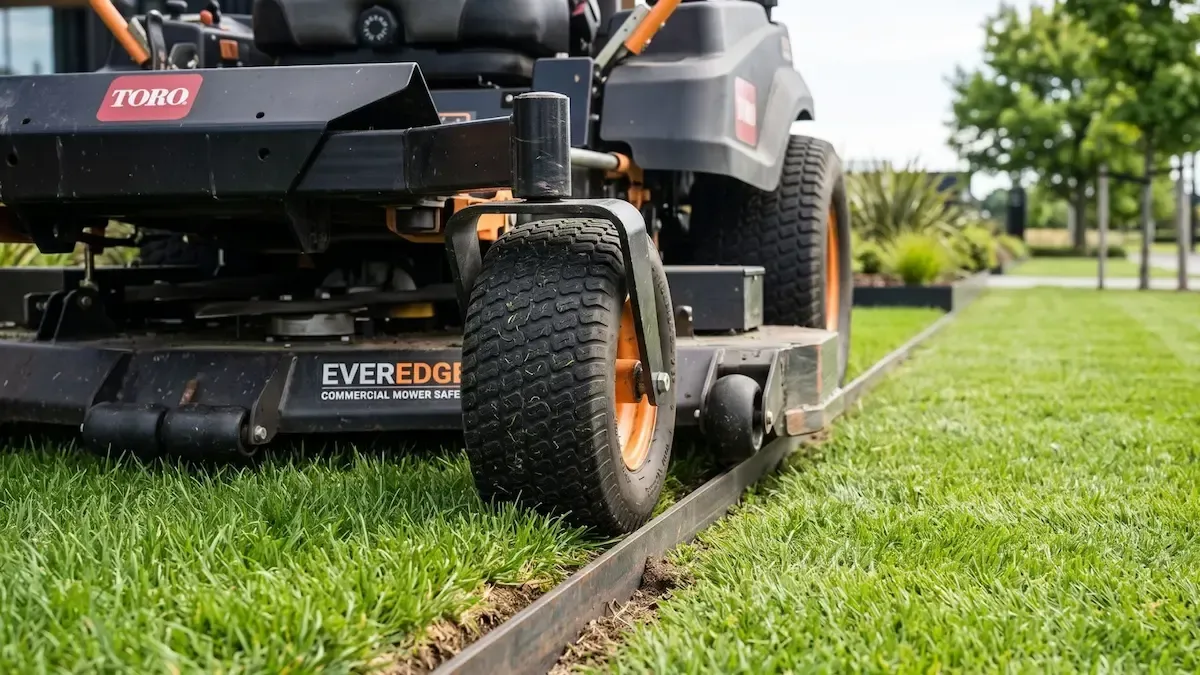
EverEdge Steel Edging changes the game. Unlike other materials, steel is a structural solution. It is thin enough to be discreet but strong enough to act as a mini-retaining wall for your garden.
Preventing Soil Erosion (Silt-Run)
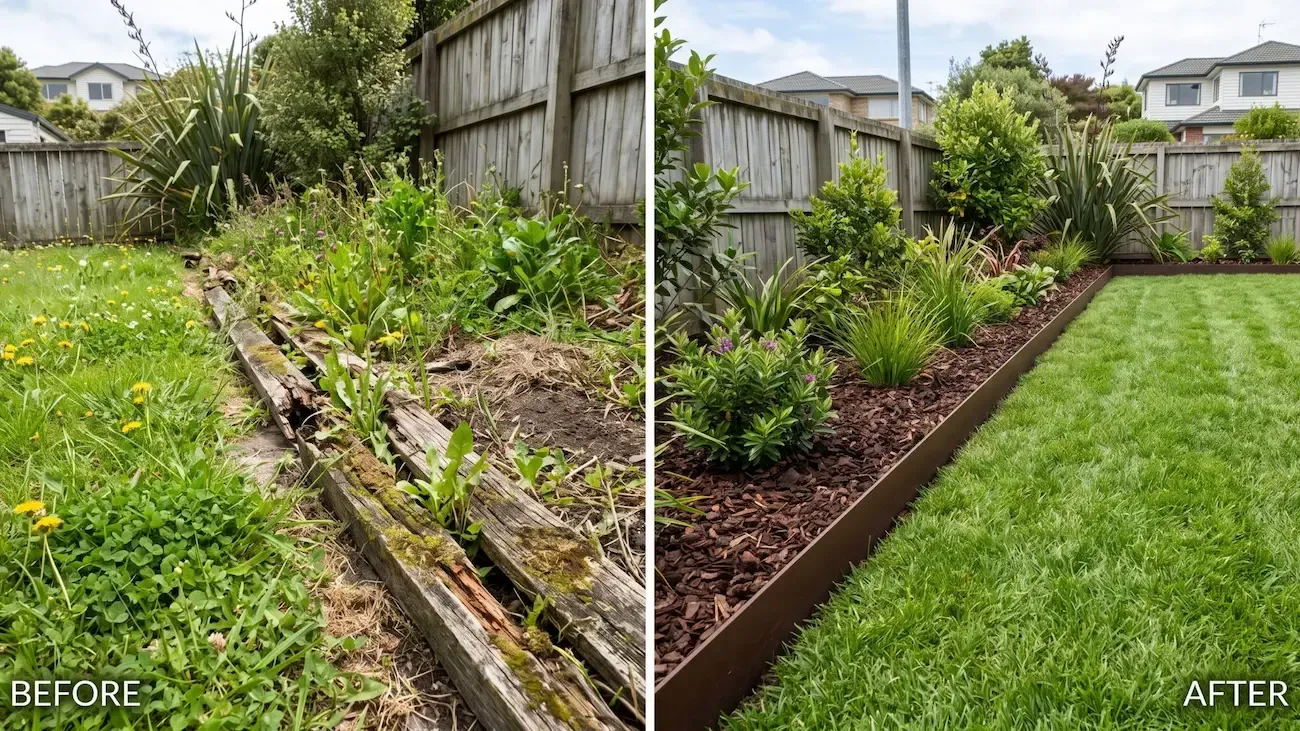
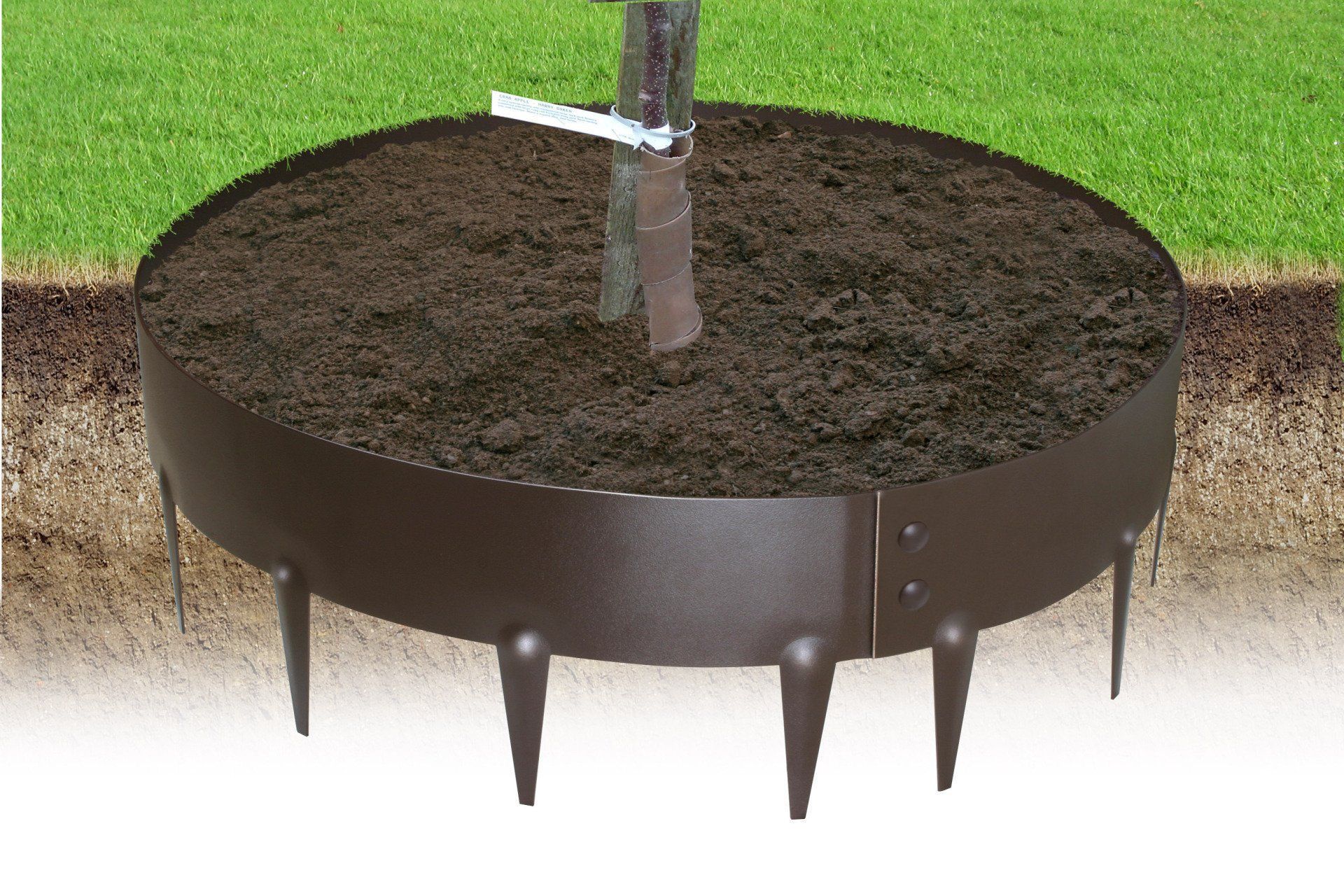
One of the most expensive parts of gardening is the "top-up"—replacing the mulch and compost that washes away every winter. By installing a 100mm or 125mm EverEdge Classic ring or border, you create a physical dam. This keeps your soil in the bed where it belongs, even during an absolute downpour.
Directing the Flow: Creating Swales and Dry Creek Beds
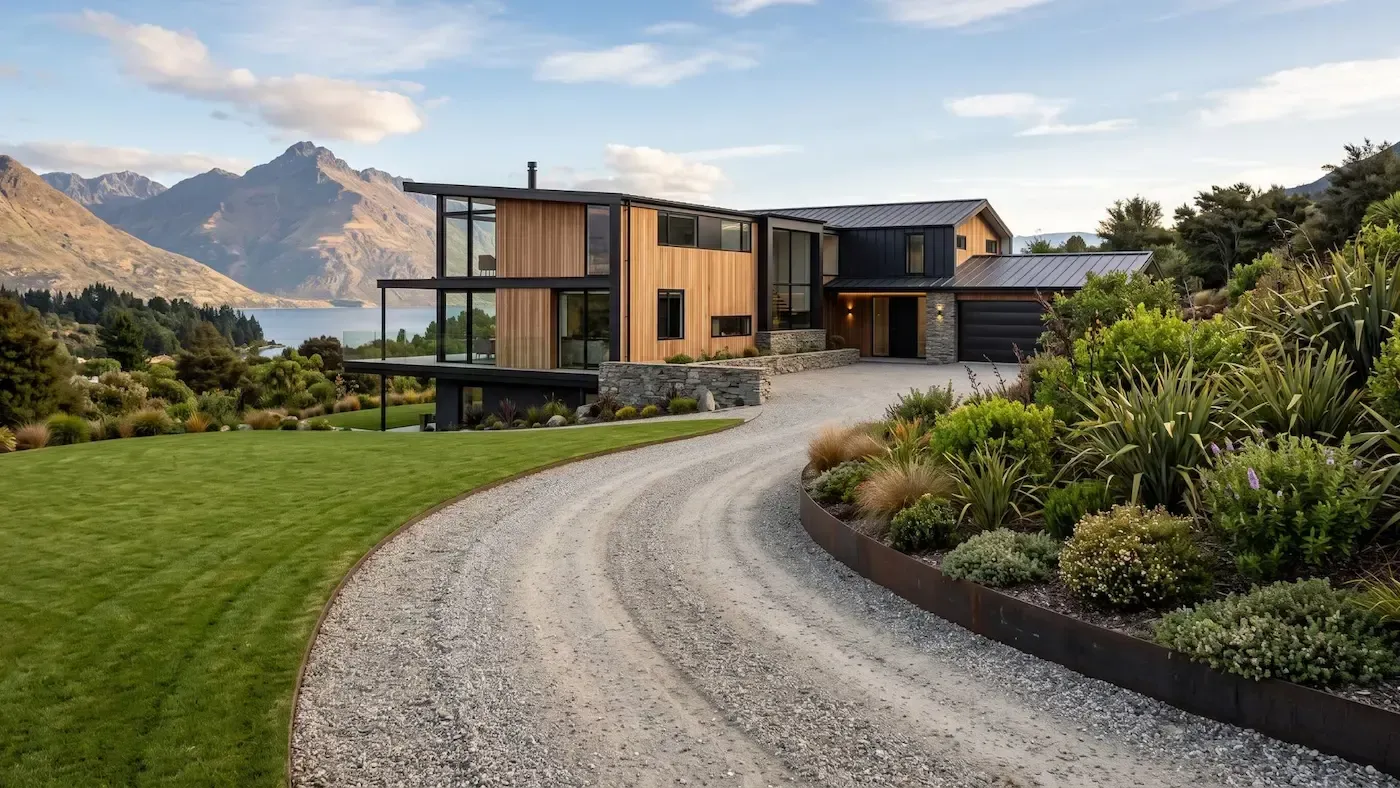
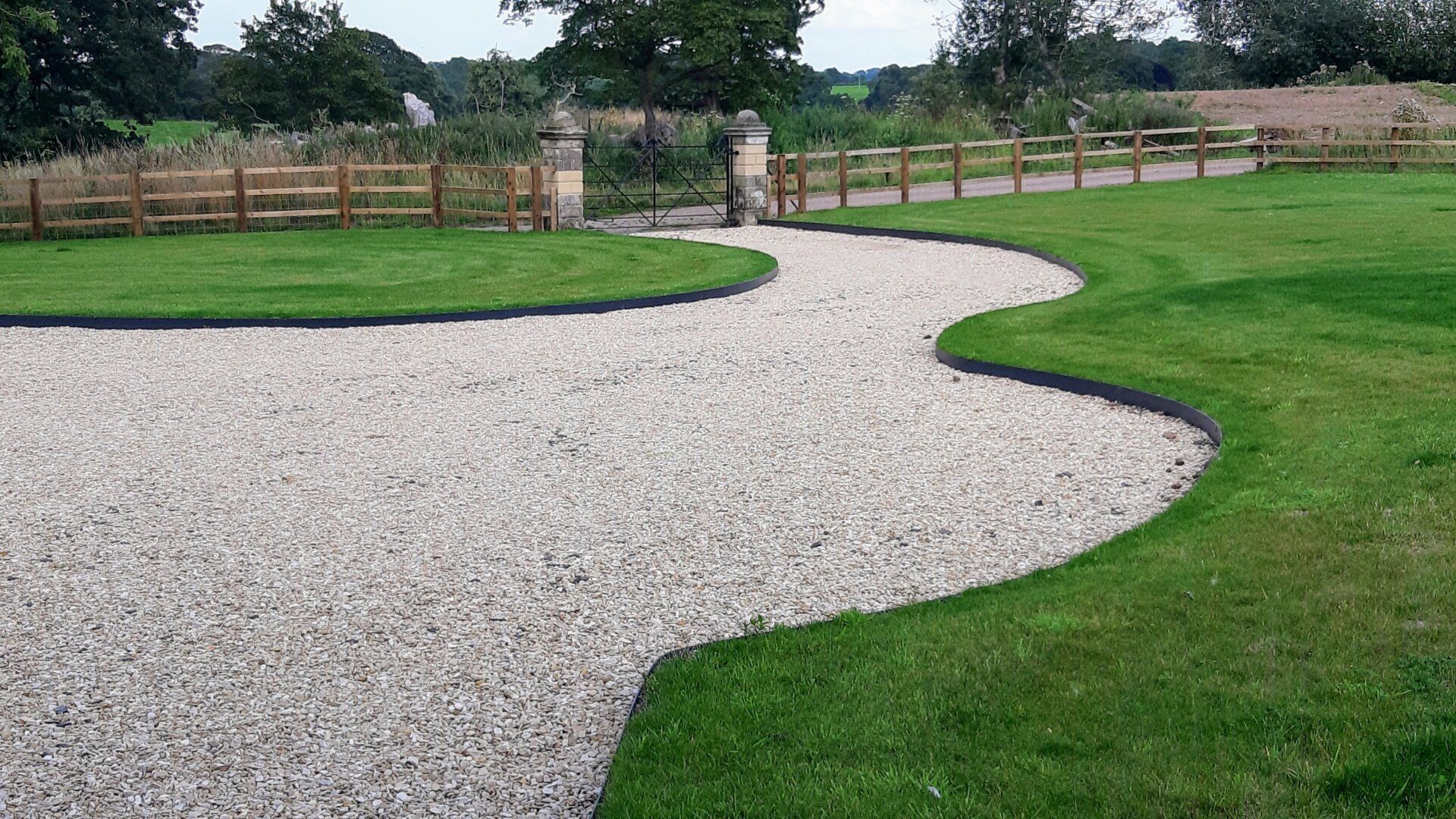
Landscapers often use EverEdge to define "swales"—shallow channels designed to direct water flow toward a drain or a lower part of the garden. Because steel edging is flexible, you can create winding, natural-looking dry creek beds filled with river stones. The steel edge ensures the stones stay in the channel and the grass stays on the bank, creating a functional drainage path that looks like a design feature.
Protecting the "Root Flare"
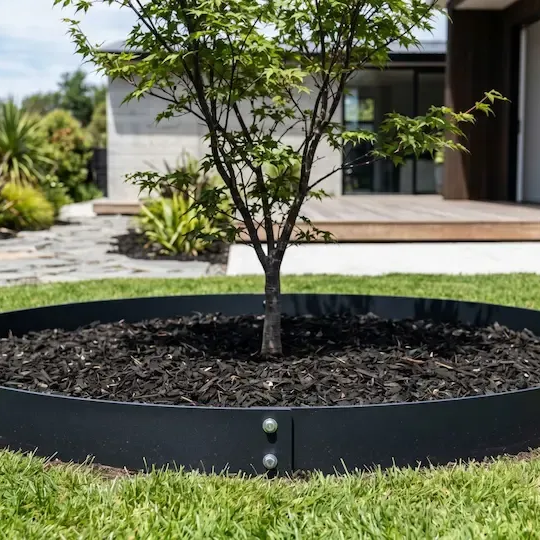
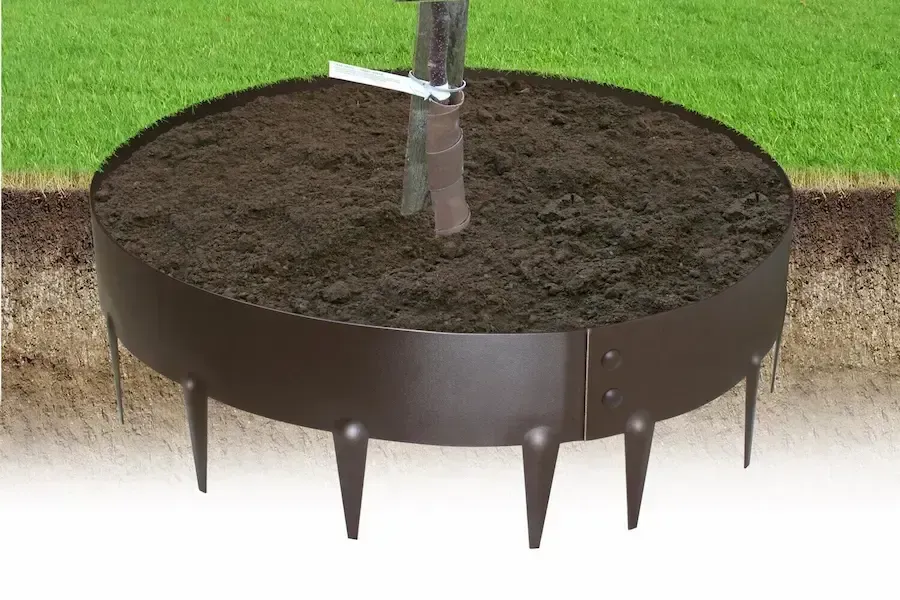
Excessive water pooling around the base of trees is a leading cause of tree death. Using an EverEdge Tree Ring allows you to slightly raise the soil level inside the ring or fill it with porous mulch, ensuring that water drains away from the sensitive root flare rather than sitting against the bark.
4. The Cor-Ten Factor: Aesthetics in the Rain
While galvanised steel is a classic choice, many New Zealanders are opting for
Cor-Ten (Weathering Steel) for their winter drainage projects.
Cor-Ten is designed to develop a protective layer of rust (patina) when exposed to the elements.
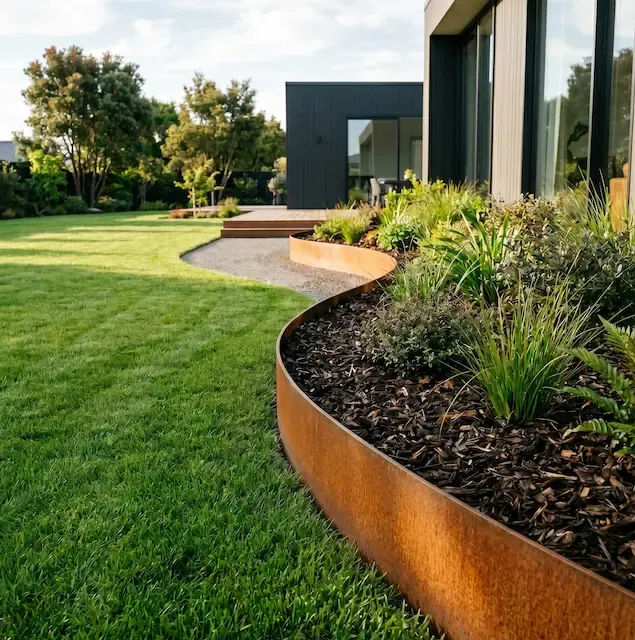
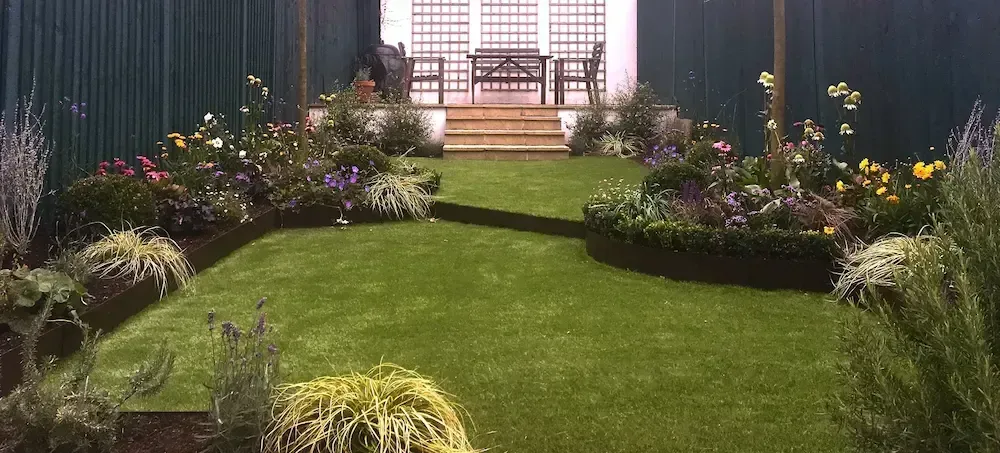
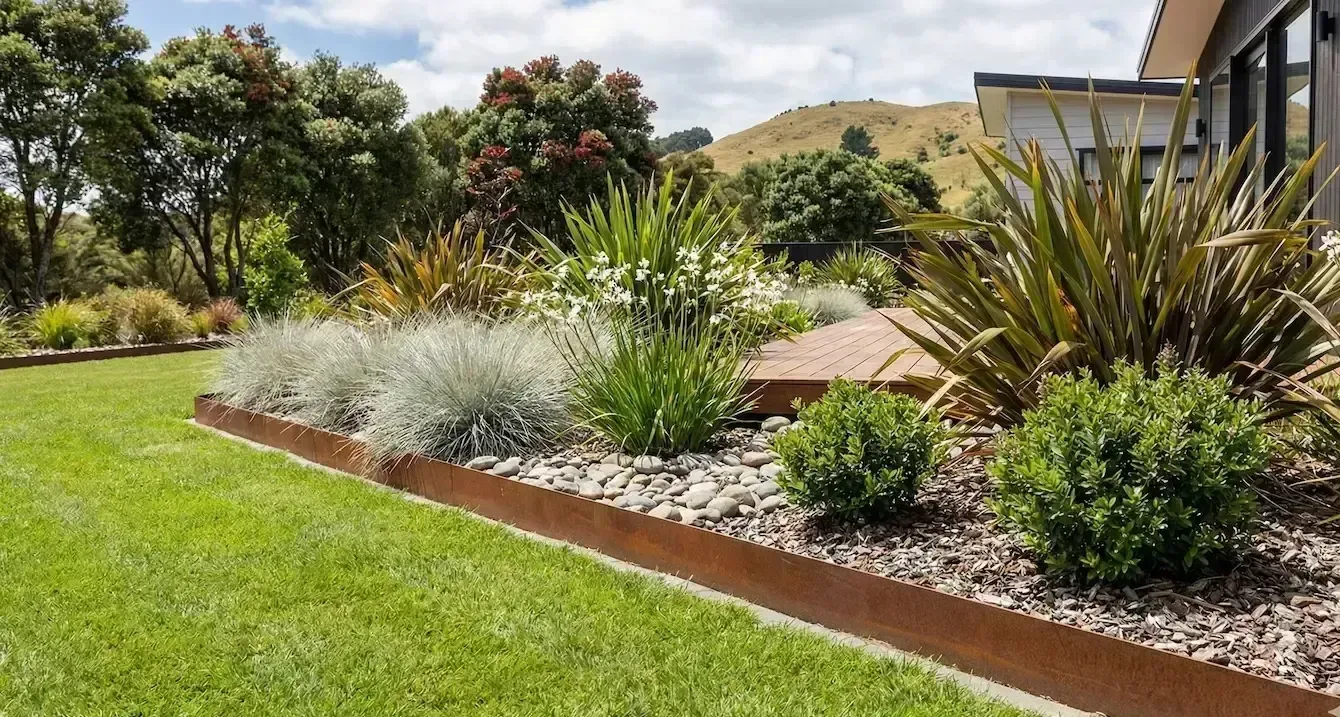
The wet-dry cycle of a Kiwi winter is actually good for Cor-Ten; it accelerates the weathering process, turning the steel from a raw silver to a deep, architectural bronze. Not only does it look stunning against damp, green foliage, but it is also virtually indestructible, lasting for decades regardless of how wet the soil gets.
5. Technical Installation for Better Drainage
If you are installing EverEdge specifically to combat "Puddle Problems," keep these three technical tips in mind:
- Choose the Right Depth: For areas prone to wash-outs, don't settle for the 75mm edge. Go for the
100mm or 125mm Classic . The extra depth provides more "bite" into the soil, ensuring the edge stays vertical even when the ground becomes soft and saturated.
- Allow for "Weep Holes": If you are creating a completely enclosed bed on a slope, ensure there is a natural exit point at the lowest part of the curve. You want to hold the soil back, but you don't want to create a bathtub.
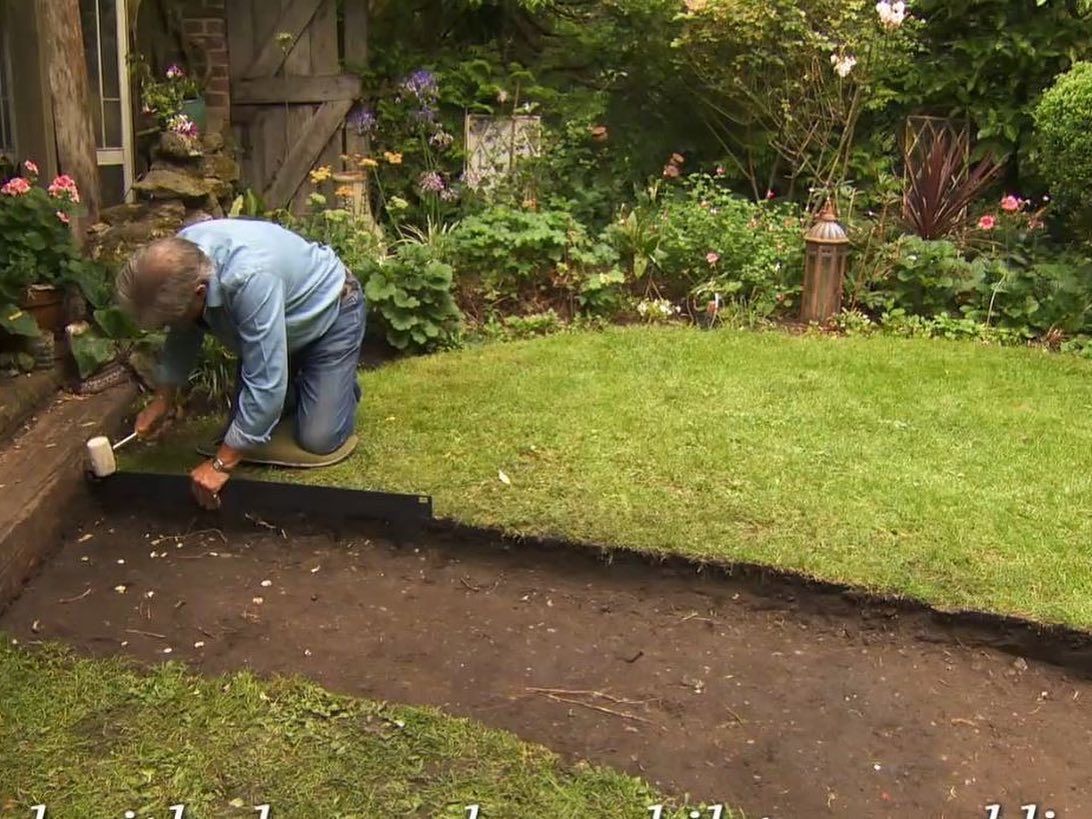
- The Mallet Method: In winter, the ground is softer, making it the perfect time to install EverEdge. Use a rubber mallet to drive the built-in spikes into the ground. Because the pieces interlock, they create a continuous "spine" that resists the shifting of heavy, wet earth.
6. Your Autumn/Winter Garden Readiness Checklist
Before the next big storm hits, walk through your garden and check the following:
- Check the Edges: Are your current borders holding? If you see soil "bleeding" onto your lawn, it’s time to upgrade to steel.
- Clear the Drains: Ensure any existing grate drains or French drains aren't blocked by leaves or old bark.
- Mulch Early: Apply a fresh layer of mulch inside your EverEdge borders now. The steel will keep it contained, and the mulch will protect the soil surface from the impact of heavy rain, preventing compaction.
- Level the Low Spots: If water is pooling on your lawn, consider a "top-dress" of sand and soil, then use EverEdge to create a clear boundary that prevents that water from flowing into your garden beds.
Don't Let Your Garden Wash Away
A New Zealand winter doesn't have to mean a messy garden. By investing in the structural strength of
EverEdge Steel Edging , you are doing more than just "tidying up" your borders—you are installing a long-term drainage solution.
Whether you choose the clean lines of our
Galvanised and Powder Coated Classic range or the rustic beauty
of
Cor-Ten weathering steel , you are giving your garden the protection it needs to thrive in the face of the elements.
Ready to Winter-Proof Your Garden?
Stop the puddles and protect your soil before the next rain arrives.
[
Shop the EverEdge Classic Range for Heavy Duty Drainage
]
[
Explore Cor-Ten Steel Edging for Architectural Strength
]
Have questions about which depth or style is right for your specific drainage issue?
[
Contact the EverEdge NZ team today
]—we ship NZ-wide.