A well-designed garden isn’t just about the plants you choose; it’s the finishing touches that make all the difference.
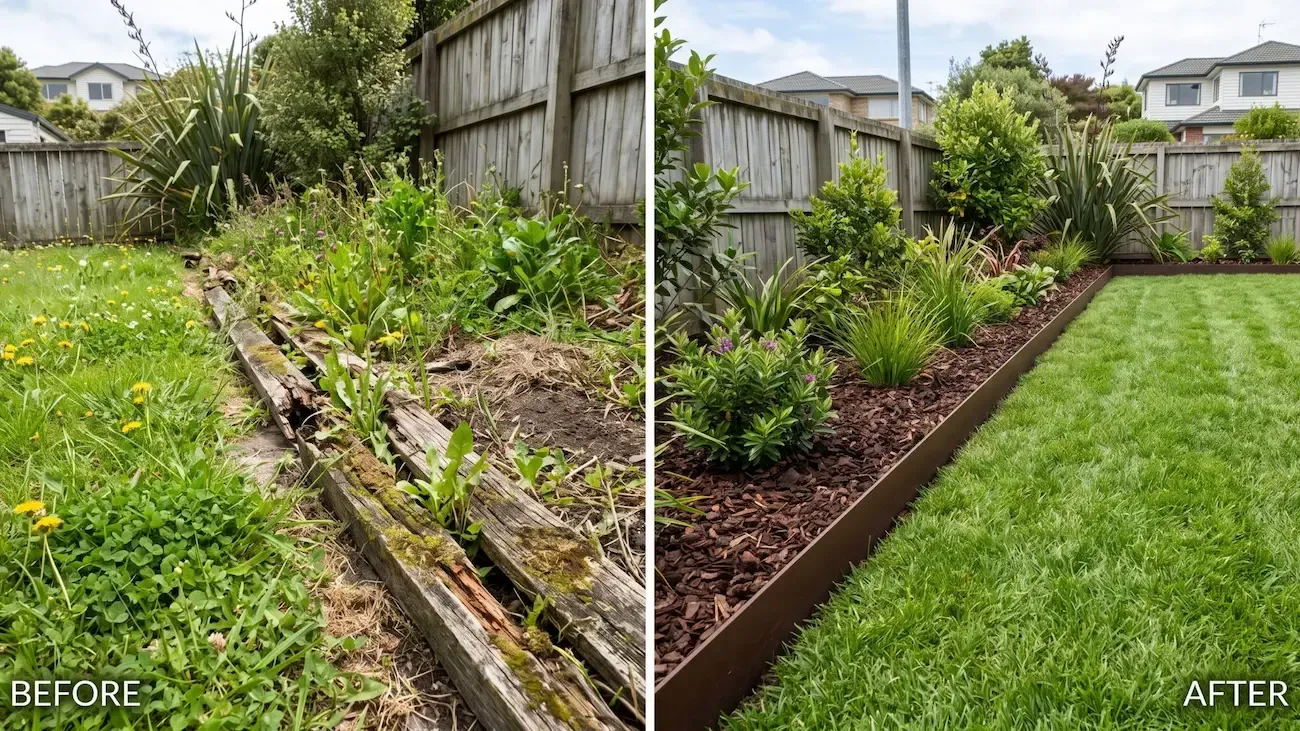
Garden edging frames your beds, pathways, and lawns, creating a clean, structured look while keeping soil, mulch, and grass exactly where they should be. But despite its time-saving capabilities, small mistakes during planning or installation can leave you with an untidy or high-maintenance garden—exactly what you didn’t sign up for.
As a supplier of the highest-quality
steel landscape edging products in New Zealand
, EverEdge has heard it all—from shallow installs that allow grass to creep back in, to cracked or warped materials that ruin a carefully designed border.
To help you get it right the first time, we’ve expanded our guide to the
top 7 garden edging mistakes and how you can avoid them.
1. Choosing the Wrong Material for NZ Conditions
One of the most common mistakes is selecting edging that doesn’t stand the test of time.
- Plastic: Often warps under the harsh NZ UV sun and becomes brittle, cracking within a few seasons.
- Timber: While cheap initially, timber in contact with damp soil will eventually rot. It also tends to warp and shift as it swells with moisture.
- Concrete: Heavy and expensive to install. It is also vulnerable to ground movement, leading to cracks that are difficult to fix.
The Fix: Choose
metal landscape edging. Particularly
steel garden edging
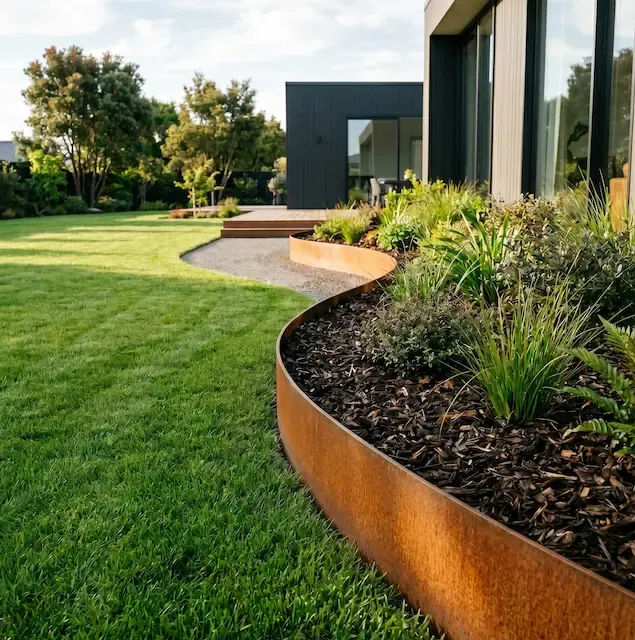
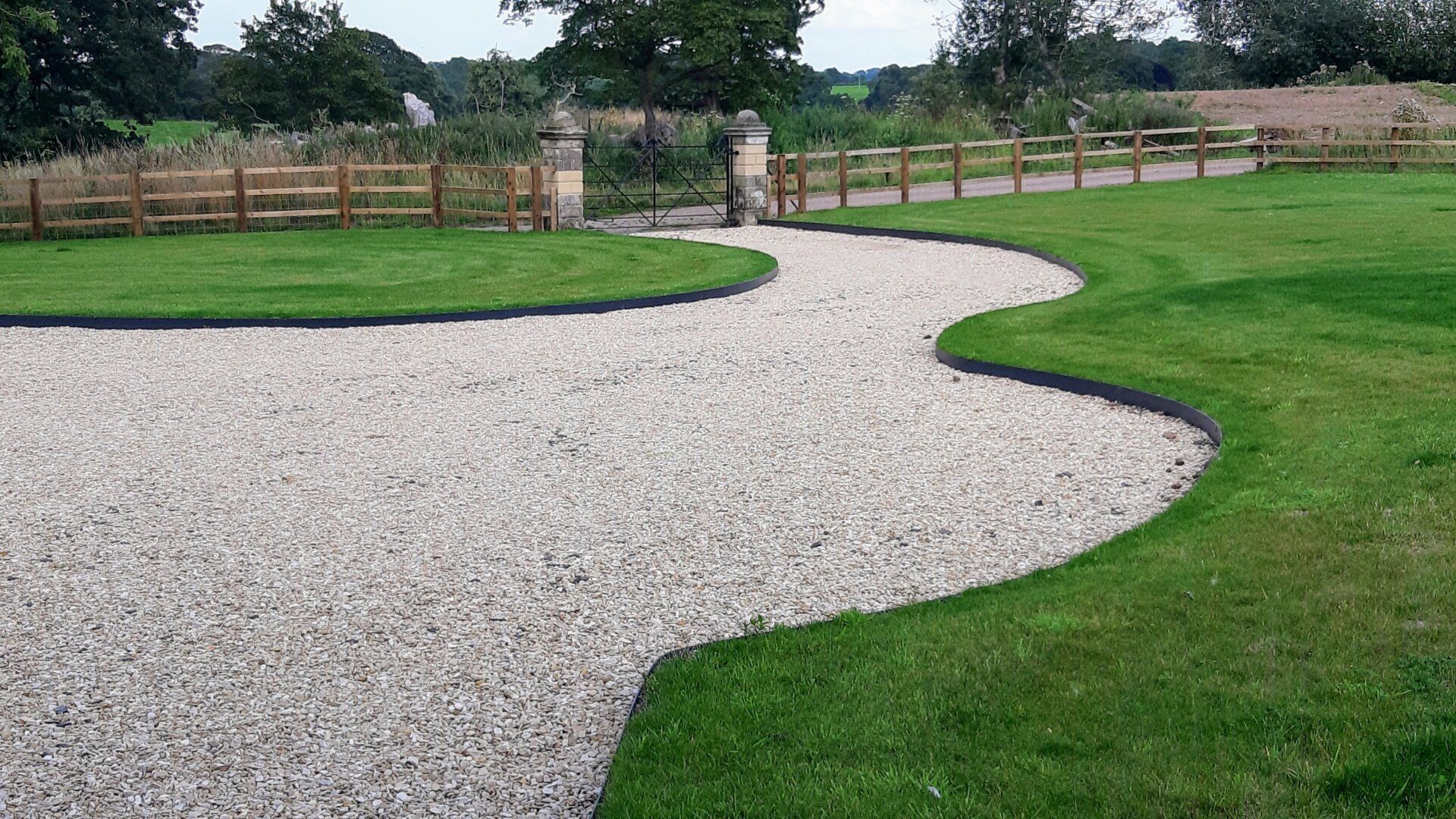
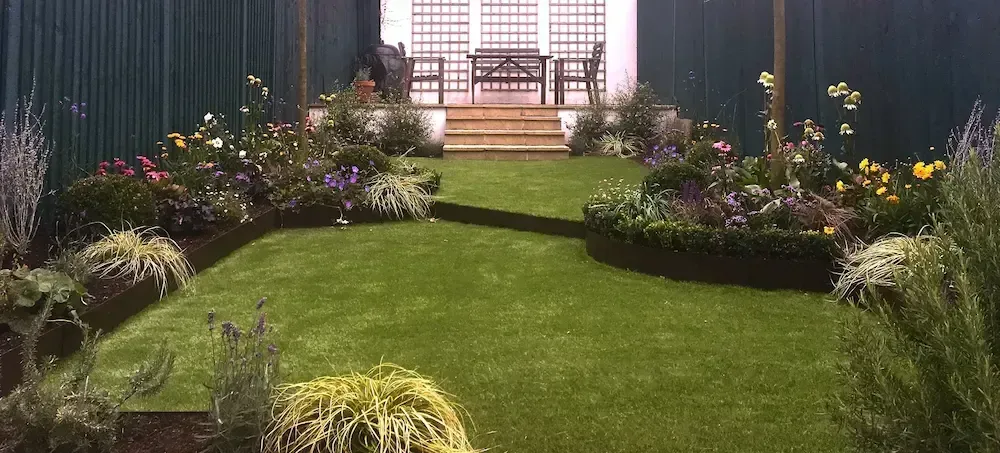
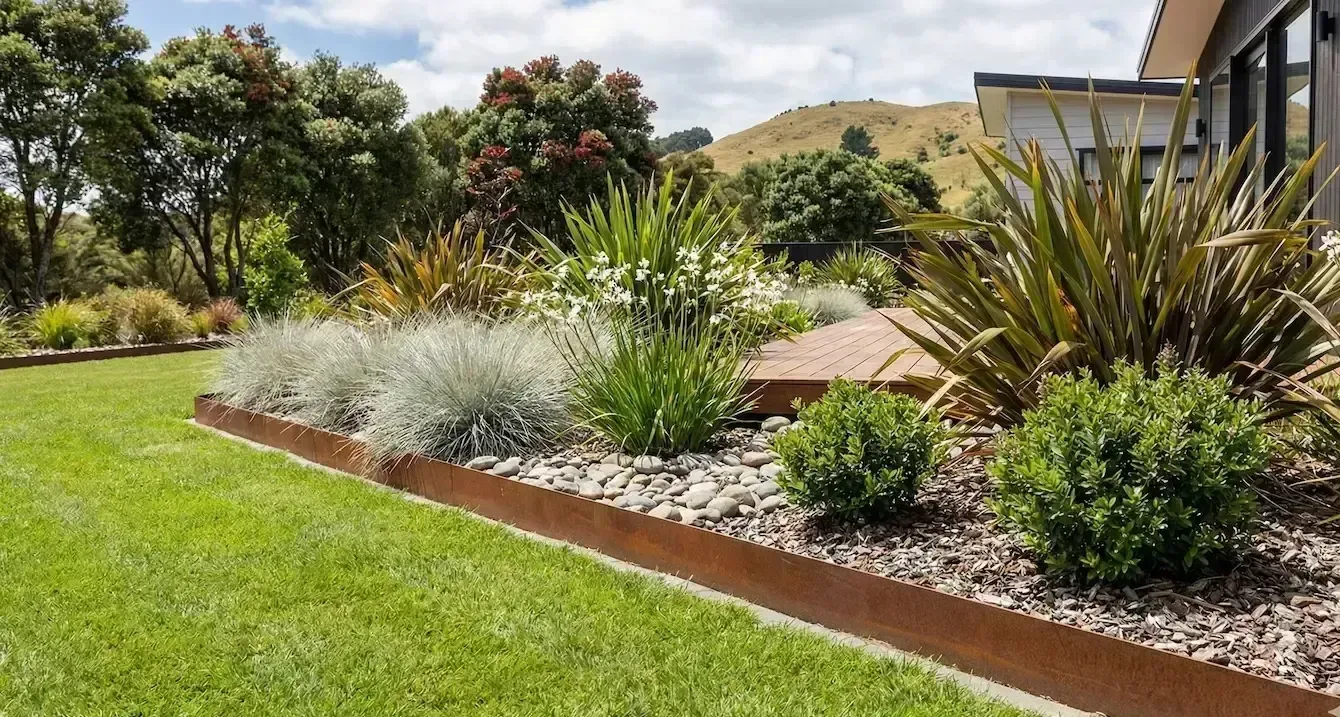
, which offers durability, flexibility, and a clean aesthetic. It can be shaped into sweeping curves or sharp angles without cracking, and it resists corrosion for decades. Choosing a long-lasting material from the outset saves you time, money, and endless frustration down the line.
[ Shop Classic Galvanised Edging
]
2. Installing at the Wrong Depth
Even the best edging material won’t perform if it’s not installed correctly.
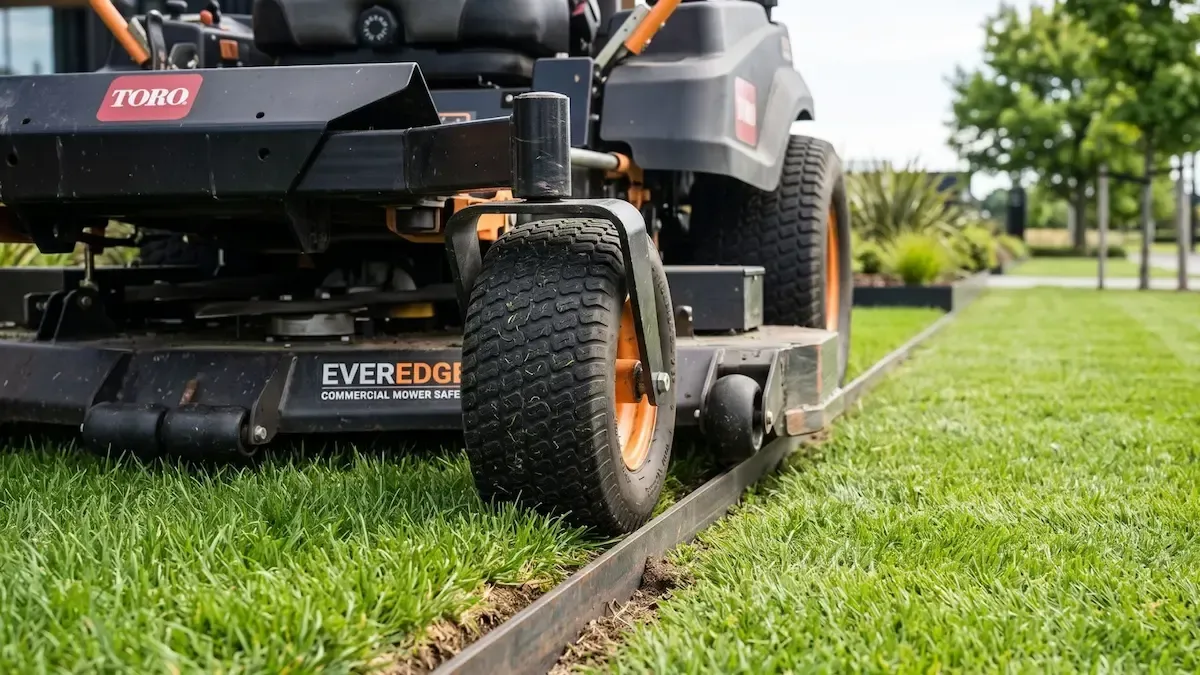
- Too Shallow: If you set it too high, mulch and soil will spill over. It also makes mowing difficult, as you can't run the mower wheels over the edge.
- Too Deep: The edging disappears visually, and grass roots can easily jump over the top into your flower beds.
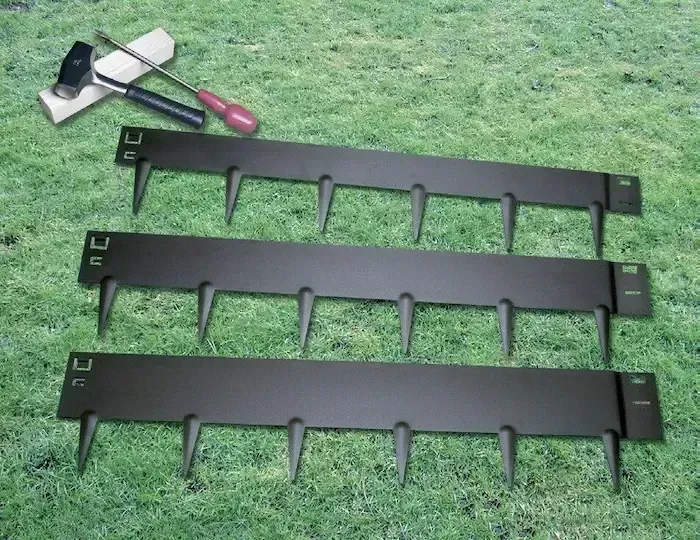
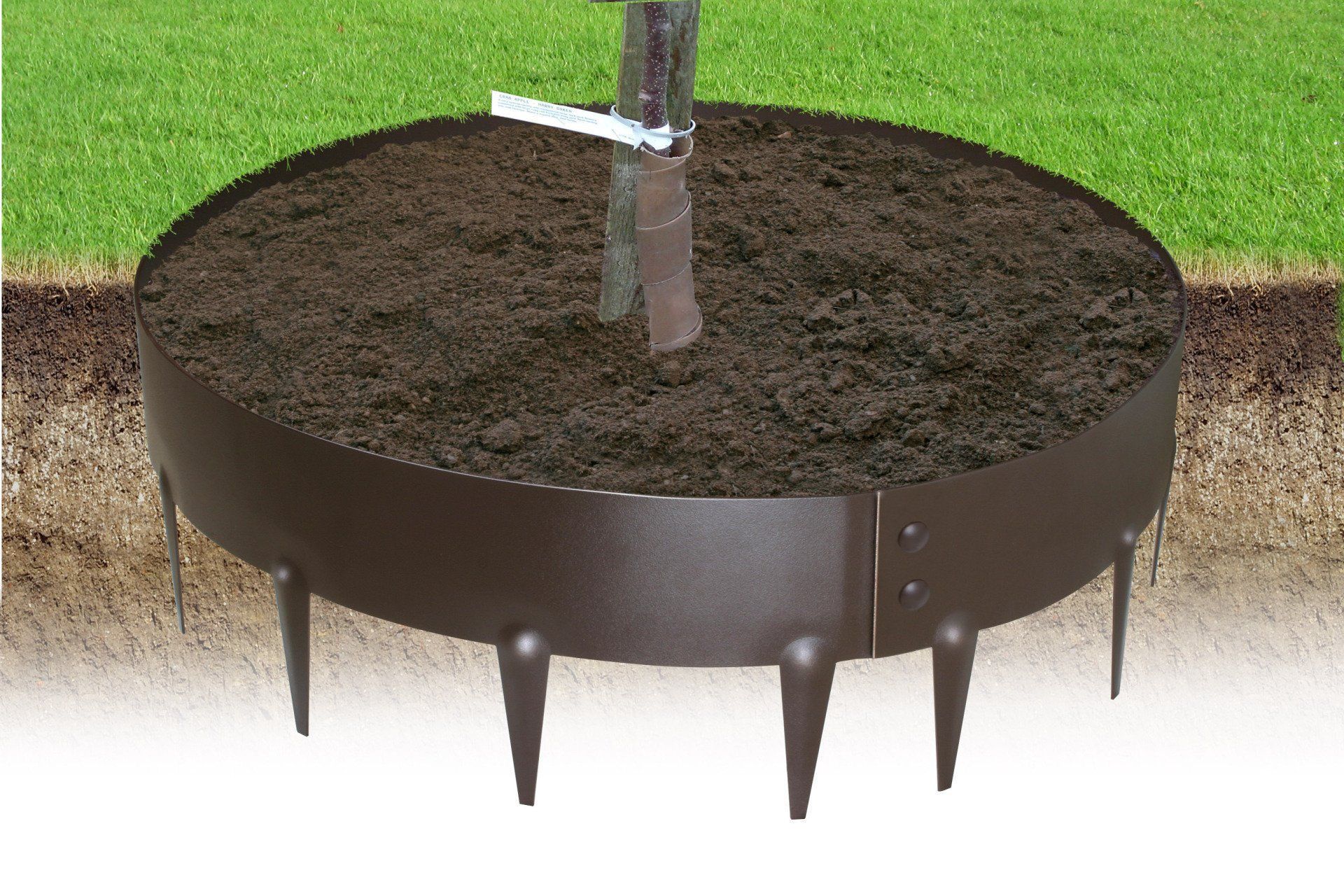
The Fix: EverEdge garden edging is available in three depths: 75mm, 100mm, and 125mm. We recommend burying the edging so that the top of the spike is just covered, leaving about
15mm-30mm of the edge face visible .
This creates a perfect "mowing strip"—you can run your lawnmower wheel right over the grass edge without hitting the steel, eliminating the need for hours of whipper-snippering.
3. Overlooking Curves and Corners
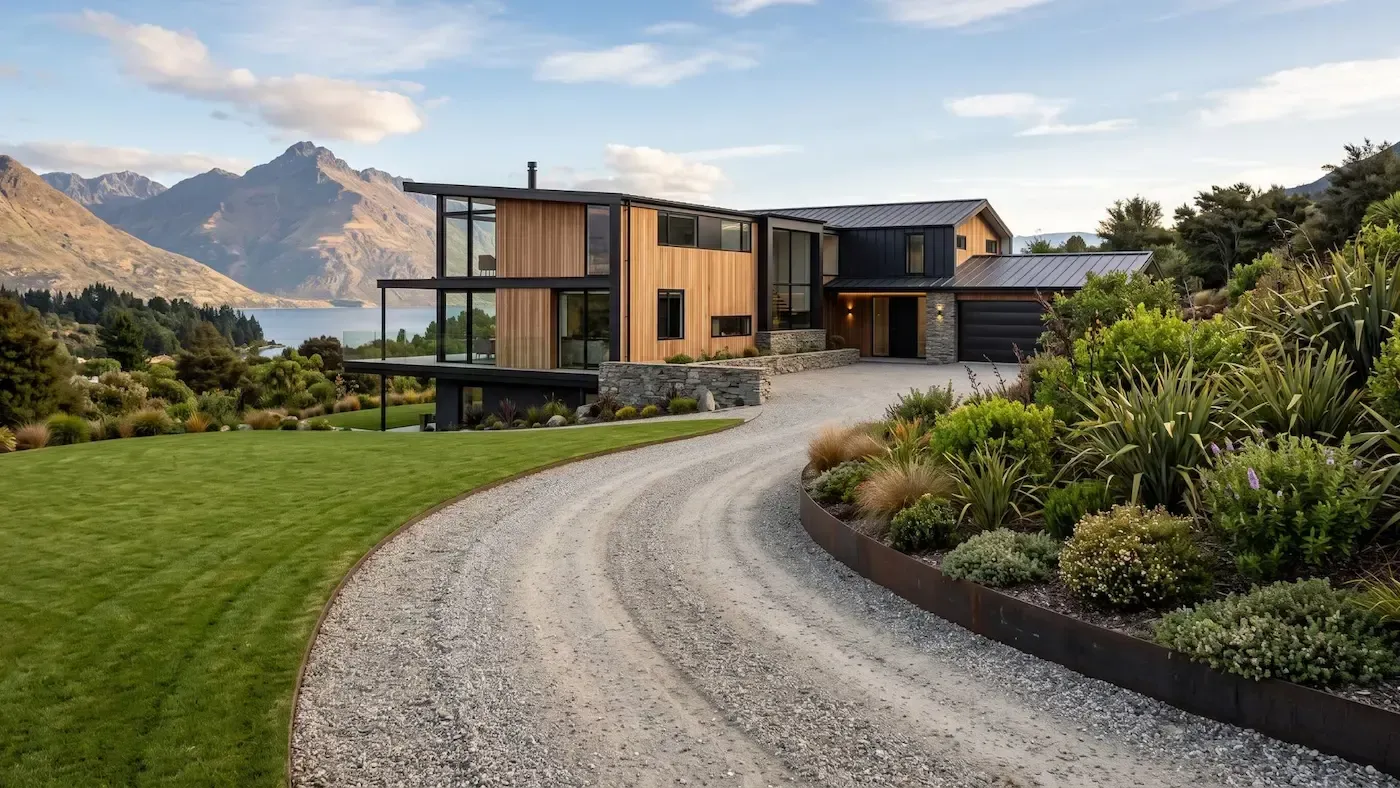
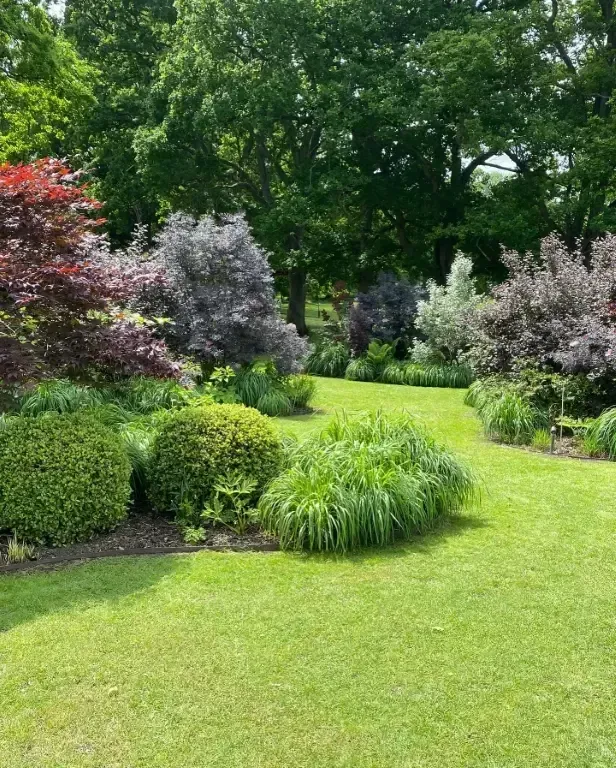
A common oversight in garden design is failing to plan for the natural flow of curves and corners. Straight lines can feel too rigid in a garden, while awkwardly forced bends can break the visual rhythm of a landscape.
The Fix: Use the "Garden Hose Trick." Before you buy your edging, lay out a garden hose or a rope on your lawn to define the shape of the bed. Stand back and look at it from different angles (from the house, from the patio). Once you are happy with the flow, measure the hose to see exactly how many metres you need.
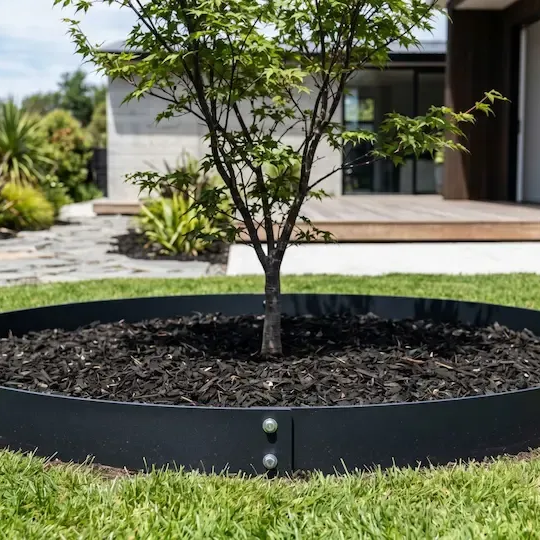
PRO TIP: How to bend it EverEdge is designed to be flexible. To create a smooth curve, bend the steel over your knee or around a tree trunk. For a sharp 90-degree corner, clamp a block of wood against the steel and bend it by hand to get a crisp right angle.