Mowing Strips for Lawns in NZ: Costs, Materials and How to Install Steel Edging
If you spend half your Saturday afternoon fighting a losing battle between your lawnmower, a line trimmer, and creeping kikuyu or couch grass, a mowing strip is one of the smartest upgrades you can make to your section.
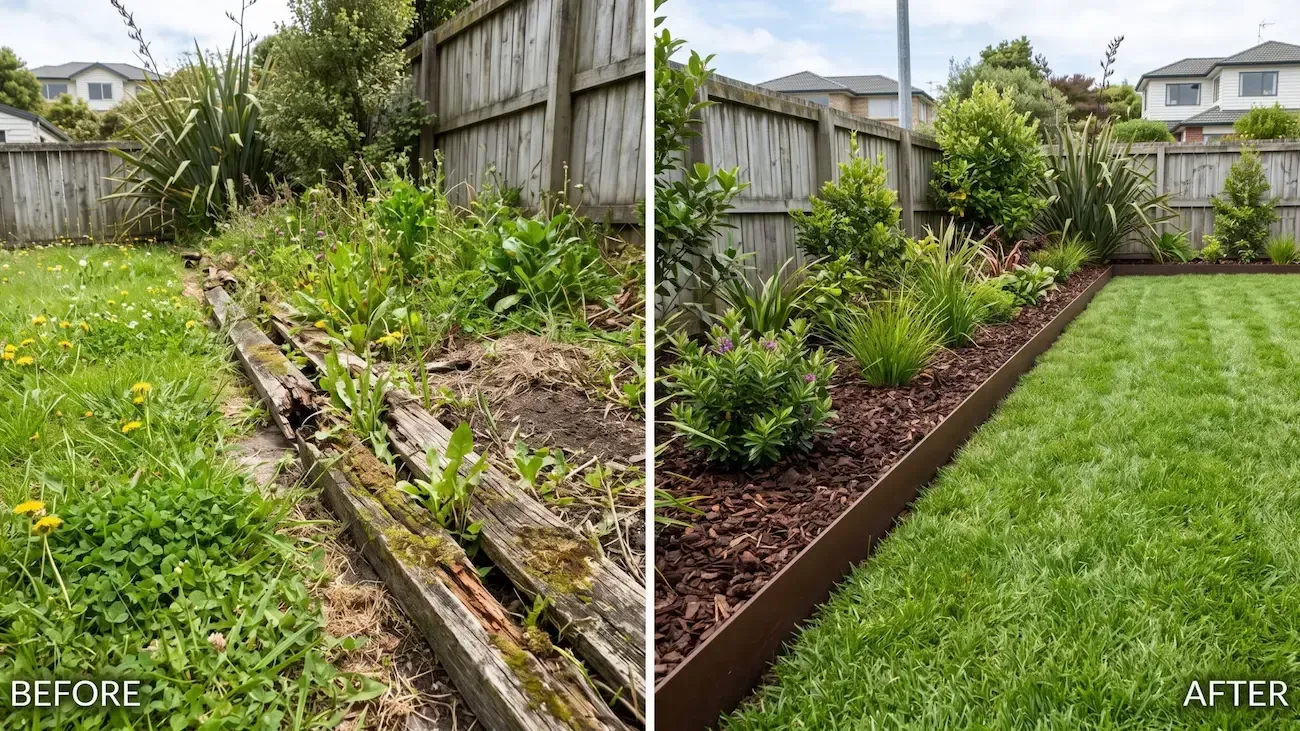
Across New Zealand backyards, homeowners and landscapers are moving away from bulky, poured concrete borders in favour of sleek, flush steel mowing strips. They give your mower wheel a solid, level track to run along, stop grass runners invading your garden beds, and eliminate the need to haul out the weed-eater every time you cut the grass.
Here is everything you need to know about mowing strips in NZ—including how different materials stack up, what you can expect to pay per metre, and how to install a steel mowing strip yourself over a single weekend.
What Is a Mowing Strip and Why Use One?
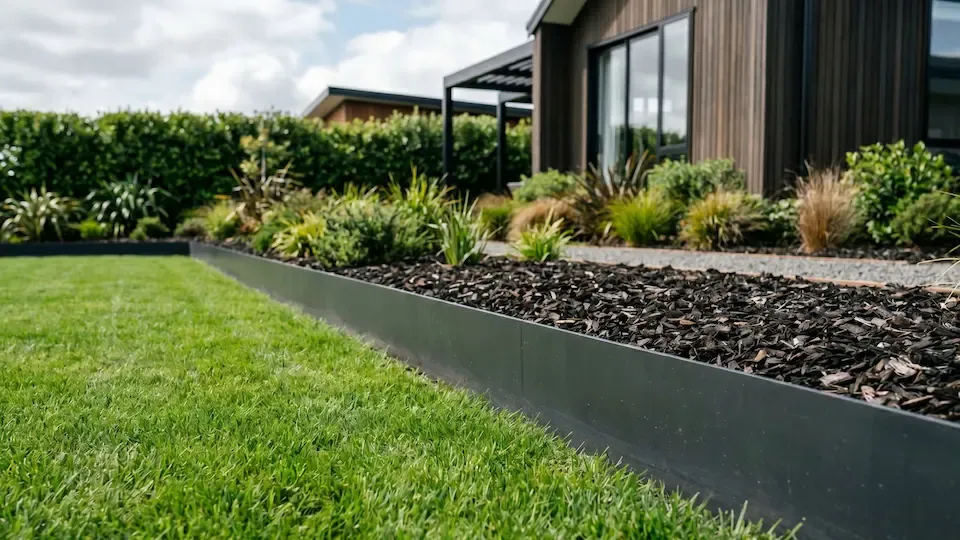
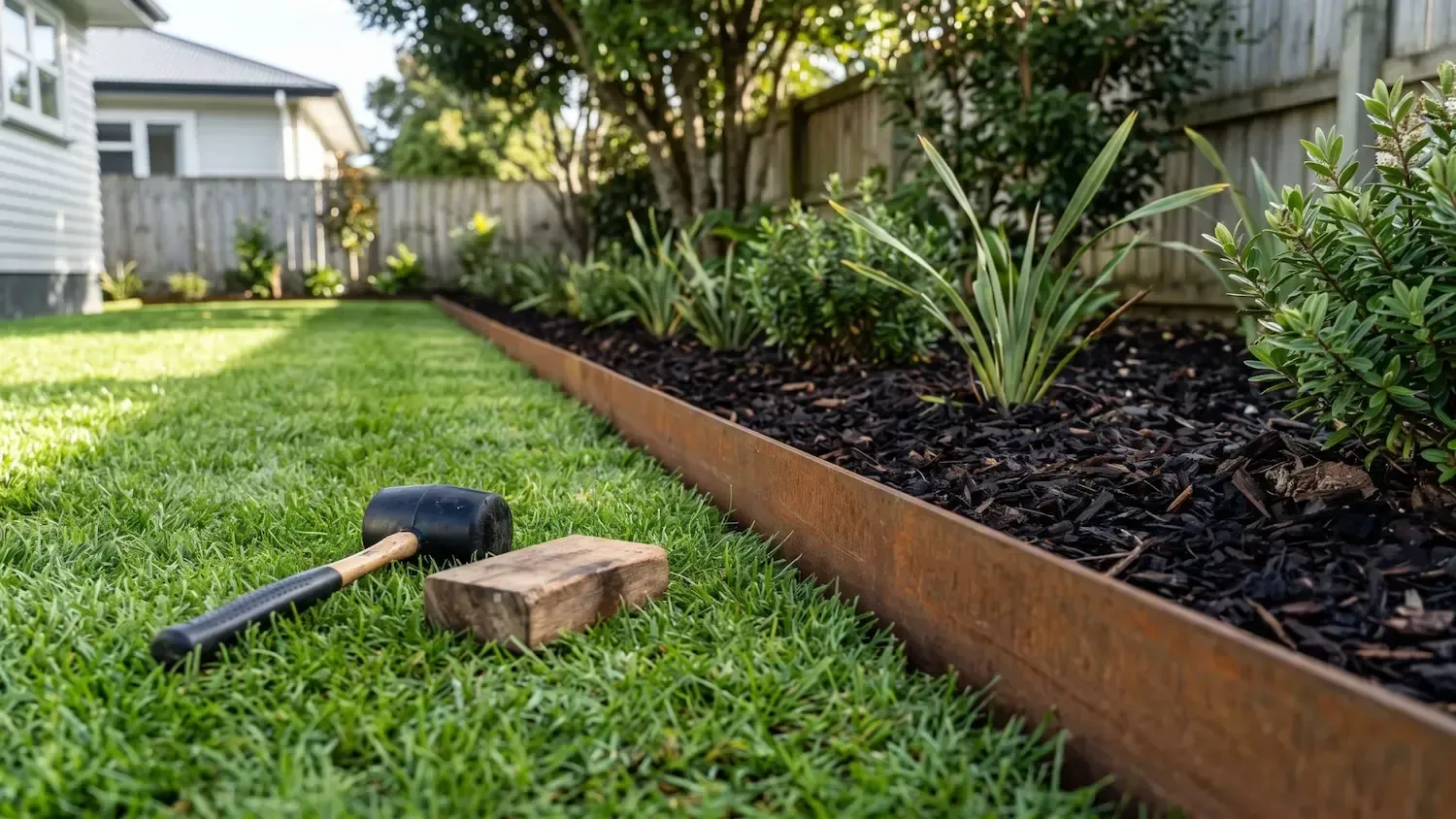
A mowing strip is a firm, flush-mounted border installed right along the boundary between your lawn and a garden bed, gravel path, or driveway. Unlike raised kerbing or chunky timber sleepers that force you to leave an uncut strip of long grass right up against the edge, a proper mowing strip sits level with (or just millimetres below) your turf height.
That small design detail solves three common headaches for Kiwi gardeners:
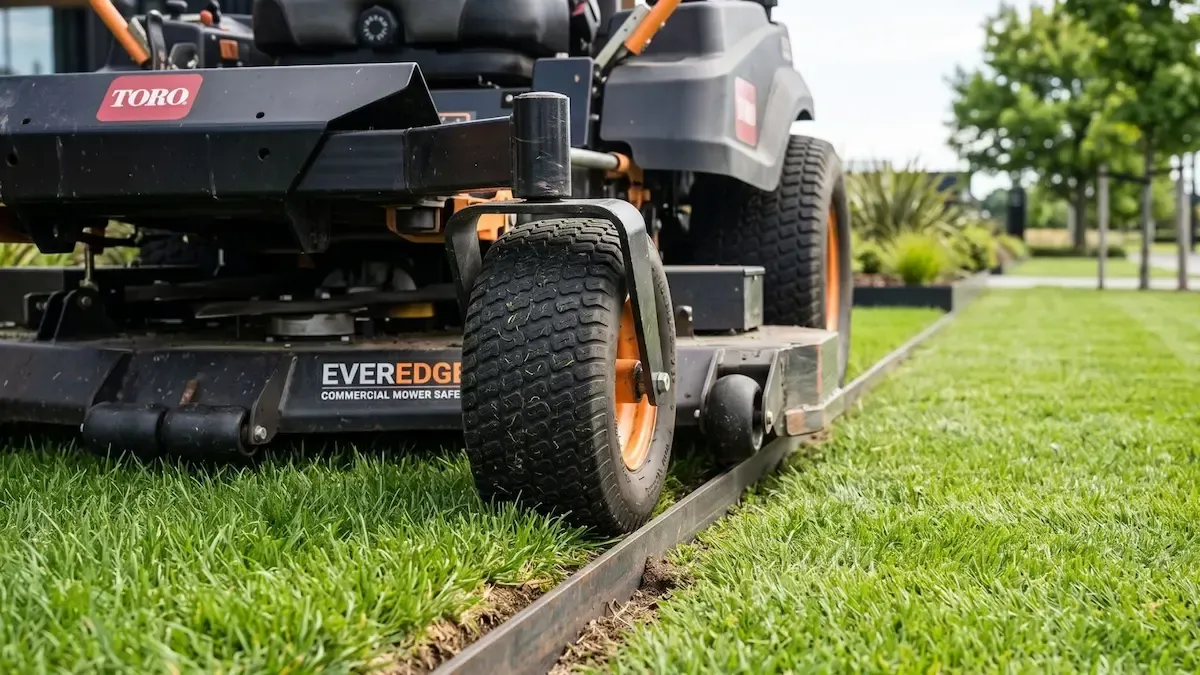
- Zero Line Trimming: One wheel of your lawnmower rides cleanly along the border while the blades pass safely overhead, cutting right to the edge of the grass in a single pass.
- Stops Invasive Grass Roots: Vigorous New Zealand lawn grasses—especially kikuyu in the North Island and creeping fescues further south—love sneaking under shallow borders into bark mulch. A deep vertical edge acts as an underground root barrier.
- Holds Mulch and Stones in Place: Heavy rain and blackbirds scratching in garden beds quickly scatter bark nuggets and decorative pebbles onto your lawn, turning them into dangerous projectiles the next time you mow. A crisp edge keeps everything where it belongs.
Mowing Strip Materials Compared: Concrete vs Brick vs 1.6mm Steel
Traditionally, building a mowing strip in New Zealand meant digging a wide trench, boxing it up with timber, mixing bags of concrete, and spending a weekend on your knees with a trowel. Today, you have much cleaner options.
| Feature | Poured Concrete Mow Strip | Brick or Cobble Pavers | 1.6mm Interlocking Steel (EverEdge) |
|---|---|---|---|
| Visual Profile | Wide (150mm–200mm) grey band | Wide (100mm–150mm) segmented line | Ultra-slim (1.6mm–2.5mm) clean architectural line |
| Installed Cost (NZ) | $65 – $120+ per linear metre | $55 – $95 per linear metre | $25 – $45 per linear metre (DIY) |
| DIY Installation Time | Heavy labour; 2–3 days + curing time | Moderate–heavy; requires compacted base | Fast; 15–20 metres easily laid in an afternoon |
| Flexibility for Curves | Requires flexible boxing and extra labour | Creates jagged steps on tight curves | Bends smoothly by hand into tight curves or circles |
| Longevity in NZ Weather | Can crack with Canterbury frosts or clay heave | Weeds grow through mortar/sand joints | 30+ year lifespan; galvanised & powder-coated |
While brick pavers and poured concrete still suit certain traditional villas or heavy driveway aprons, 1.6mm heavy-duty steel has become the go-to choice for modern New Zealand gardens because it disappears visually into the landscape while doing all the structural heavy lifting.
Mowing Strip Costs in New Zealand
Budgeting for a garden border depends heavily on whether you are paying a contractor for formwork and concrete or tackling a modular steel system yourself.
- Poured Concrete Mow Strips: If you hire a concreter or landscaper to excavate, box, pour, and finish a standard 150mm-wide concrete mowing strip, expect to pay anywhere from $65 to $120+ per linear metre depending on site access and whether you add black oxide tinting. Even mixing bagged concrete yourself quickly adds up once you factor in basecourse, boxing timber, and skip hire for spoil.
- Brick or Paver Edging: Buying concrete cobbles or clay bricks plus mortar and roading chip typically lands around $35 to $50 per metre in materials, jumping to $75+ per metre if installed on a proper concrete haunch so the pavers do not sink when a ride-on mower rolls over them.
- EverEdge Classic Steel Edging: A standard 1-metre length of 1.6mm galvanised and powder-coated steel edging (in popular 75mm or 100mm border depths) works out to roughly $25 to $40 per linear metre including integrated locking stakes—with zero concrete, zero curing time, and virtually no excavation waste.
How to Install a Flush Steel Mowing Strip in 4 Steps
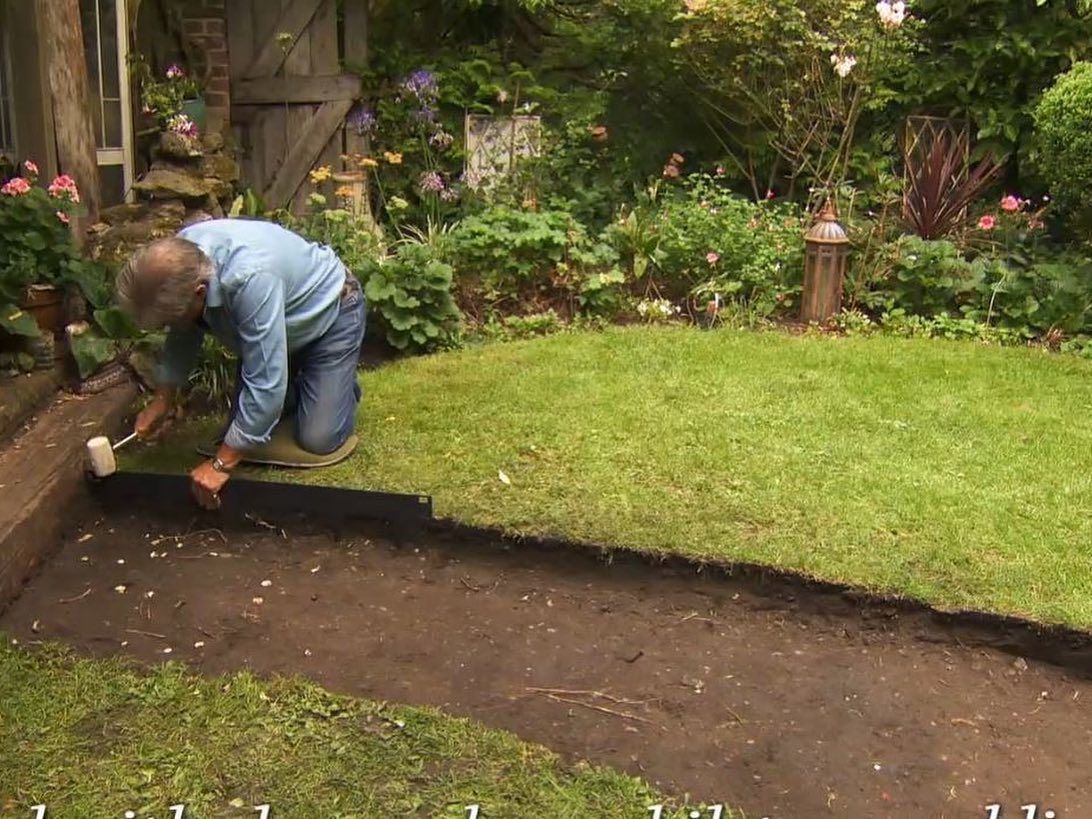
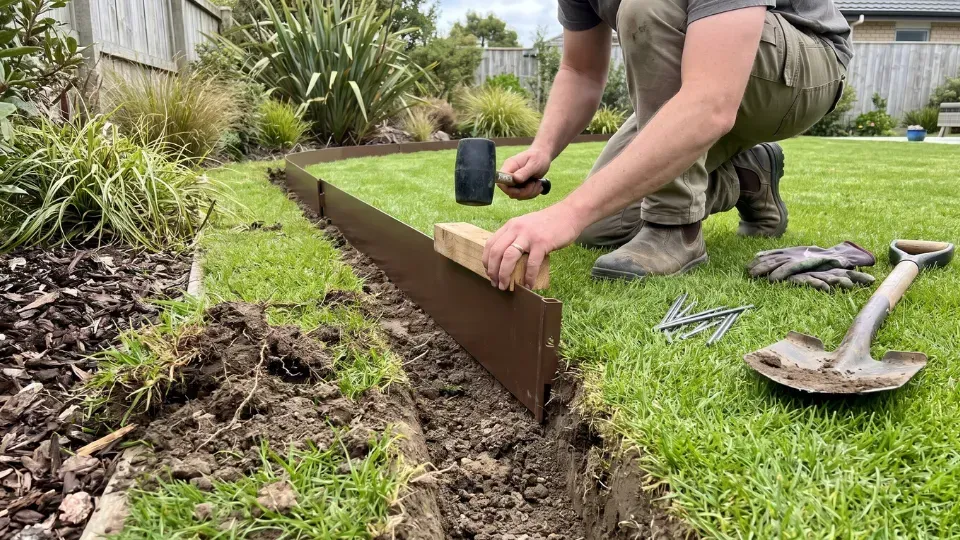
You do not need specialist concreting tools or heavy machinery to install steel garden edging. A flat-bladed spade, a rubber mallet, a block of timber, and a string line or garden hose are all it takes.
1. Mark Your Line and Cut the Trench
Lay out a garden hose to shape sweeping curves, or pull a string line taut for straight architectural runs. Use a sharp, flat-bladed spade to slice vertically down into the turf along your line to the depth of the edging face (75mm or 100mm). Push the spade forward slightly to open a narrow slot—there is no need to dig out a wide trench.
2. Shape Curves Before Knocking Down
Before driving the stakes into the ground, bend each 1-metre steel length over your knee or against a solid post to match your curve. Because EverEdge interlocking sections connect seamlessly before you hammer them home, you get a smooth, continuous arc with no kinks at the joints.
3. Set the Height for Mower-Blade Safety
This is the golden rule for any mowing strip: set the top rolled edge 5mm to 10mm below the soil/turf crown (or level with the root base of the grass). Placing a short offcut of 4x2 timber across the top edge and tapping gently with a rubber mallet spreads the impact evenly, protects the powder-coated finish, and keeps the top lip dead level so your mower blades glide safely over the top while the wheels stay supported on solid turf.

4. Lock the Tabs and Backfill
Once each section sits flush, bend the built-in locking tab over to secure the joint, then firm the soil back up against both sides of the steel strip. Top up your garden bed with mulch or decorative stone, and your new border is ready to mow over immediately.
Best Places to Use Steel Mowing Strips Around Your Section
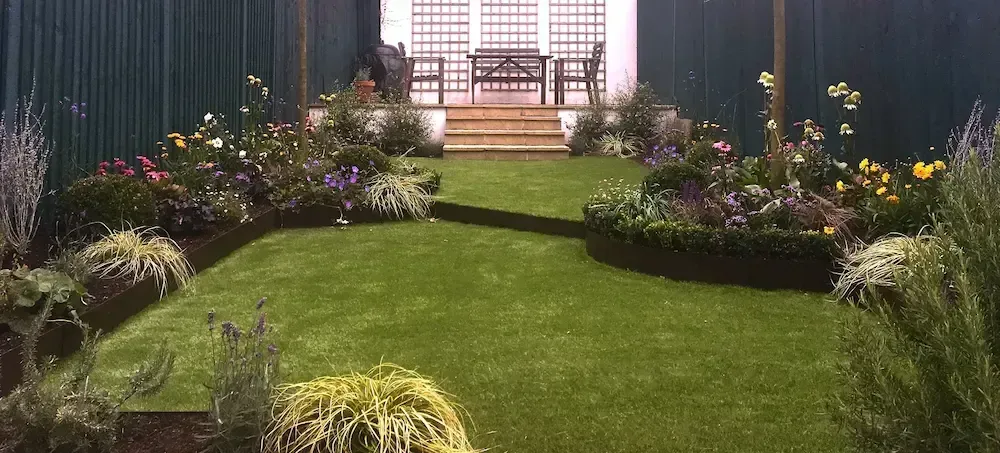
- Curved Garden Beds: Steel bends effortlessly around sweeping native plantings, ornamental grasses, and perennial borders without the blocky stepped joints you get with pavers.
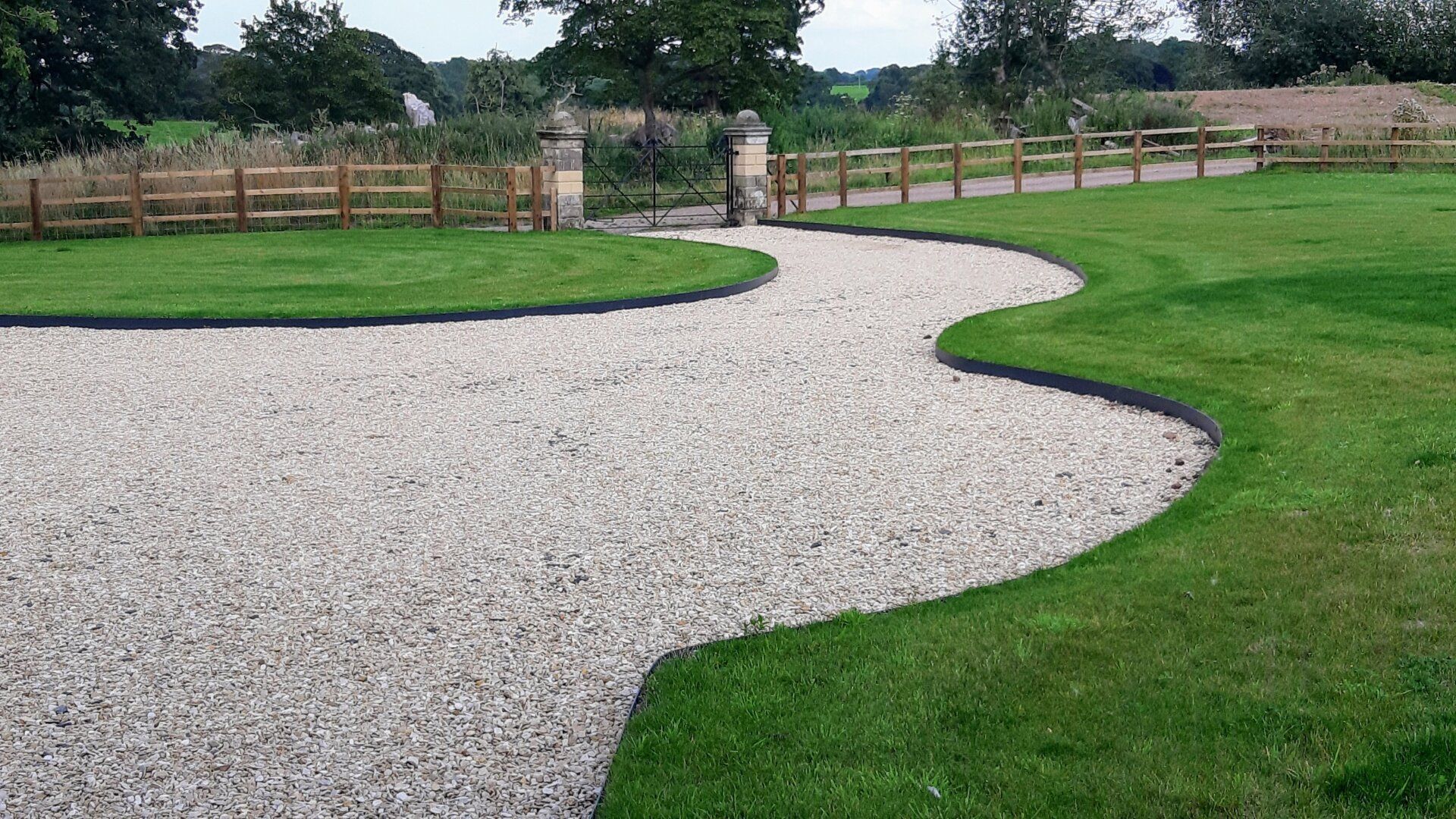
- Driveways and Gravel Paths: Keeps crushed limestone, chip, or river pebbles locked tightly inside the path instead of spilling onto your lawn.
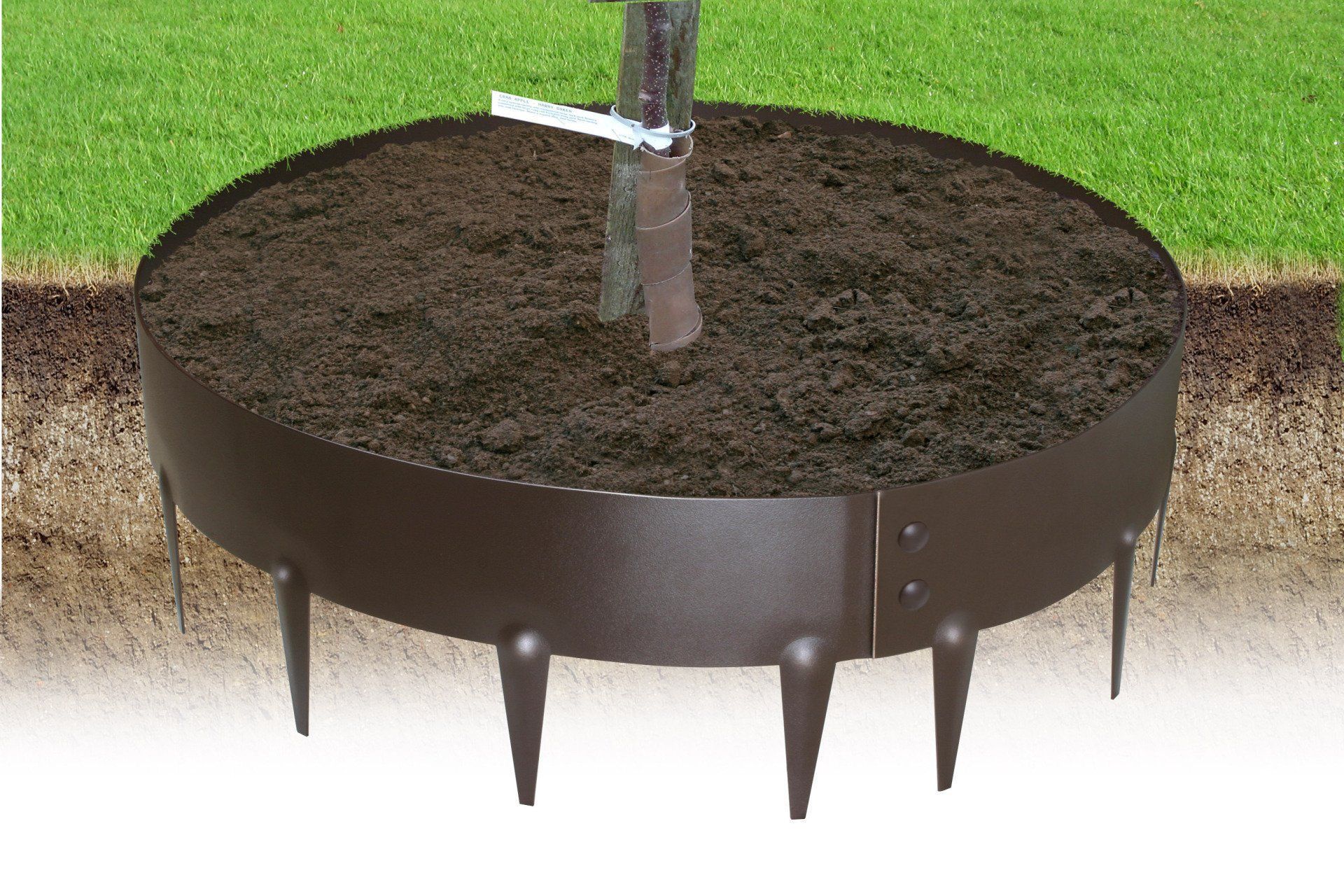
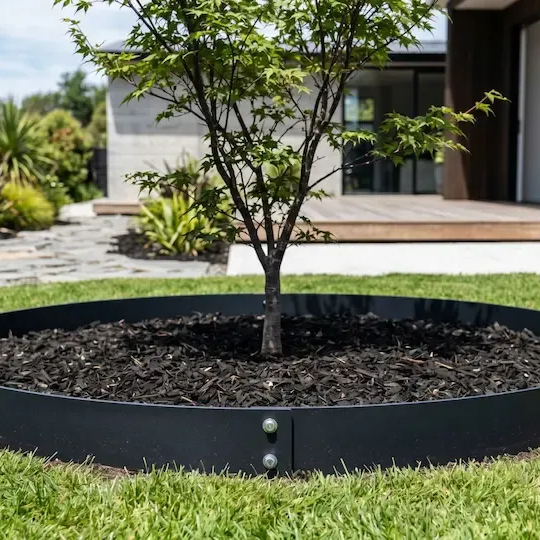
- Around Specimen Trees: Pairing a flush border with pre-formed steel tree rings stops mower decks from ringing bark on young fruit trees and ornamental specimens while keeping grass away from the trunk.
Ready to Ditch the Line Trimmer?
If you are planning a backyard tidy-up this summer, EverEdge Classic Steel Garden Edging in Slate Black and Classic Brown (75mm and 100mm profiles) is in stock right now in Christchurch for fast, tracked NZ-wide delivery—or free Click & Collect from our Mairehau depot.
Shop In-Stock Classic Steel Garden Edging Online or Apply for an EverEdge NZ Trade Account if you are landscaping commercial or residential projects.