Concrete Vs. Steel Garden Edging: Cost, Lifespan, And Installation In NZ

17 September 2026

Share this article

Creating clean, defined lines between lawns, driveways, and flower beds requires an edging material that can handle foot traffic, lawnmowers, and ground movement. Both concrete and steel are widely recognised for their strength, making them popular choices for property owners seeking a long-lasting, permanent border.


However, the way concrete and steel behave over time in New Zealand conditions is vastly different. From installation complexity and ground shift resistance to ongoing edge trimming, here is a detailed comparison to help you choose the ideal edging solution for your home.


Choosing The Right Border For Your Property: Concrete Vs. Steel


When evaluating heavy-duty garden borders, property owners usually consider two primary formats: continuous poured concrete kerbing (or pre-cast concrete pavers) and structural steel edging strip systems.


While concrete offers mass and bulk, steel provides structural reinforcement with a sleek, minimalist profile. Choosing the right material comes down to how much physical space you want your edging to occupy, your budget, and whether you prefer a clean DIY project or hiring specialized contractors.


Ground Movement And Cracking: Handling NZ’s Shifting Soil


Why Concrete Edging Cracks In Wet Winters And Dry Summers


New Zealand soils—particularly expansive clay soils prevalent across regions like Auckland, Northland, and parts of Canterbury—expand significantly when saturated during winter rain and contract rapidly during dry summer spells.


Concrete is an unyielding, rigid material. Because continuous poured concrete edging lacks structural flexibility, ground expansion creates immense subterranean pressure. Over time, this results in:


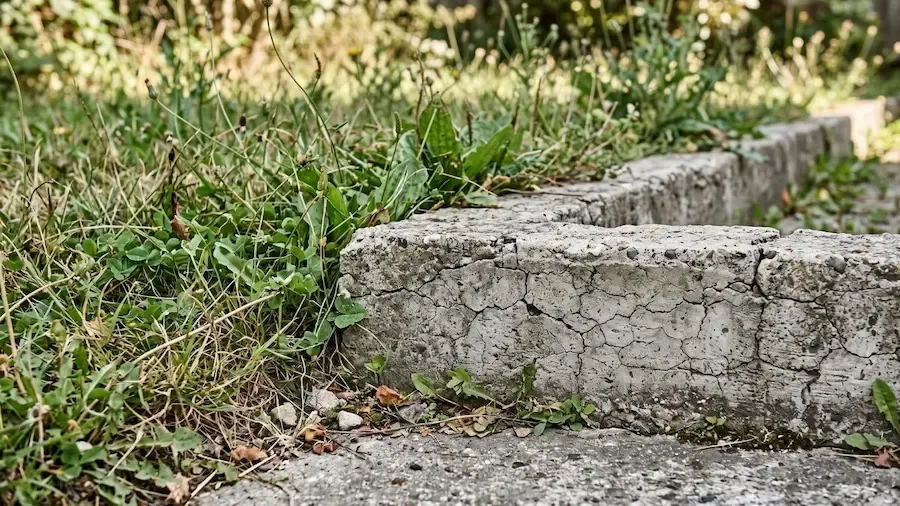
  • Unslightly Hairline Cracks: Stress cracks form along the curb line, allowing water to penetrate.


  • Frost Heave Damage: In cooler regions like Central Otago or the Central Plateau, trapped moisture freezes inside concrete cracks, splitting sections apart.


  • Weed Infiltration: Roots find their way into small concrete fractures, forcing sections out of alignment.


To mitigate cracking, concrete contractors must install expansion joints every couple of metres, breaking up the visual continuity of the border.


How Flexible Steel Absorbs Ground Shift Without Snapping

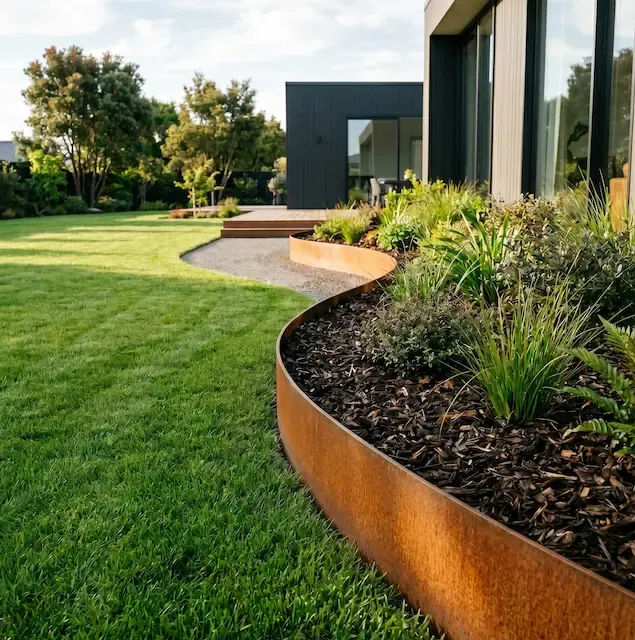
High-tensile steel edging combines raw material strength with natural flexibility. Our Flexible Steel Garden Edging absorbs minor ground movement and seasonal soil heave without snapping or cracking.


Because steel edging spans long distances with secure interlocking joints, it floats naturally with ground shifts while maintaining its true height and visual line year after year.


Installation Comparison: Heavy Equipment Vs. Clean DIY Setup


What It Takes To Install Continuous Concrete Edging


Installing concrete kerbing is rarely a quick afternoon DIY task. It requires specialized tools, heavy raw materials, and significant site preparation:


  • Excavation: Digging a deep, wide trench to build a stable aggregate base course.


  • Formwork & Mixing: Setting up wooden formwork or hiring a specialized continuous concrete kerbing contractor with an extrusion machine.


  • Curing Time: Keeping foot traffic and lawnmowers away from the area for 3 to 7 days while the concrete cures.


  • Disruption: Heavy machinery or concrete mixers driving across lawn areas can leave rutting and damage established turf.


Straightforward DIY Installation With Interlocking Steel


Steel edging eliminates the mess, curing delays, and heavy equipment associated with concrete. Because the 1.6mm steel profile is thin yet structurally rigid, you do not need to excavate cubic metres of soil or mix heavy concrete bags.


Whether you are defining a lawn border or looking for dedicated Driveway Edging solutions, steel edging interlocks seamlessly and drives straight into the soil using built-in steel spikes. The entire project can be completed in a few hours using basic hand tools.


Lawnmower Performance And Edge Maintenance


Protecting Your Lawnmower Blades Around Concrete


Continuous concrete edging typically sits raised above the soil line. Because concrete is extremely abrasive, running a steel lawnmower blade too close to a concrete border will instantly dull or nick the blade.


Furthermore, nylon line trimmers (weed eaters) wear out rapidly when constantly brushed against rough concrete surfaces, leaving unsightly black plastic rub marks on the concrete border.


Creating A Seamless Mowing Strip With Steel Edging


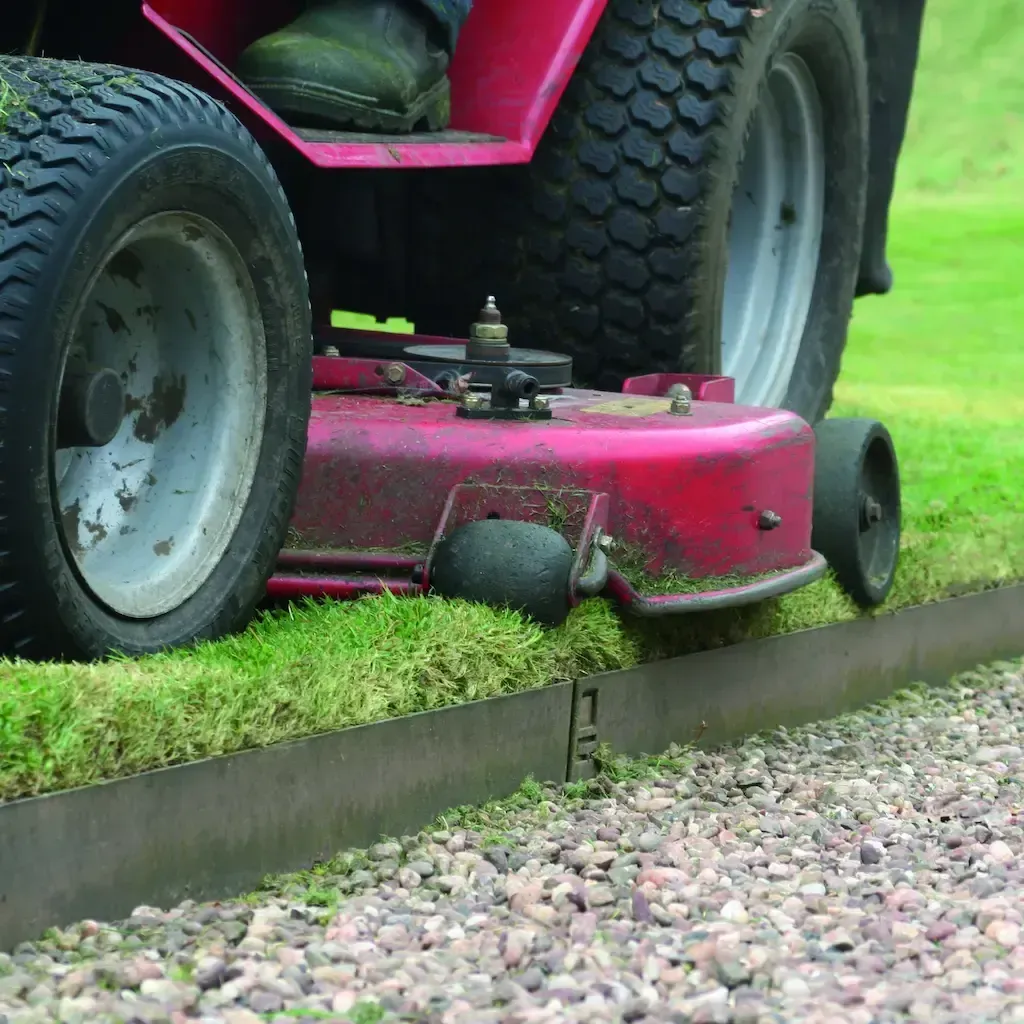
Slimline steel lawn edging is designed to be installed flush with your lawn’s root line. This creates an invisible, permanent mowing strip.


  • Run Mower Wheels Direct: You can run your lawnmower wheel directly along or slightly over the steel edge without damaging your mower blades or chipping the border.


  • Eliminate Weed Eating: By allowing the mower to cut right to the margin, steel edging drastically reduces the need for manual line trimming around garden borders.


Aesthetics And Design Versatility: Modern Lines Vs. Heavy Concrete


Visual appearance is a major deciding factor in modern residential landscape design.


  • Concrete Edging: Tends to look bulky, heavy, and dominant. A wide concrete curb draws the eye downward, making small gardens feel constrained and taking up valuable planting space.


  • Steel Edging: Delivers an ultra-clean, minimal 1.6mm top line that acts as an invisible boundary. It allows your plants, lawn, and architectural features to remain the main visual focus of the property.


Additionally, if you ever decide to redesign your garden layout in the future, removing concrete edging requires a sledgehammer or jackhammer. Steel edging can simply be unclipped, lifted out of the ground, and relocated to suit your new garden design.


Cost Analysis: Concrete Professional Installation Vs. Steel DIY


When evaluating pricing, remember to compare the total installed cost rather than just raw material prices.


  • Concrete Kerbing: While raw concrete aggregate is inexpensive, hiring a specialized concrete kerbing contractor usually incurs high minimum call-out fees, machine setup costs, and labour charges.


  • Steel Edging: Eliminates trade contractor costs entirely. Because steel edging is designed for simple, fast DIY installation, 100% of your budget goes directly into premium, long-lasting hardware that enhances your property's market value.


Direct Comparison: Concrete Vs. Steel Border Performance


Performance Metric Continuous Concrete Edging EverEdge Steel Edging
Ground Movement Resistance Rigid (prone to cracking in clay/frost) Flexible (absorbs soil movement without cracking)
Visual Width / Profile Wide & bulky (typically 75mm - 150mm) Ultra-slim (1.6mm minimal top line)
DIY Installation Feasibility Hard (requires formwork or tradespeople) Easy (simple tap-in installation with mallet)
Mowing Strip Compatibility Can nick mower blades if hit Excellent (mower wheels run directly over edge)
Future Garden Relocation Impossible (requires jackhammer removal) Reusable (unclip and reinstall anywhere)
Curing / Downtime 3 to 7 days before garden can be used Zero downtime (instant completion)

Making The Final Decision For Your NZ Landscaping Project


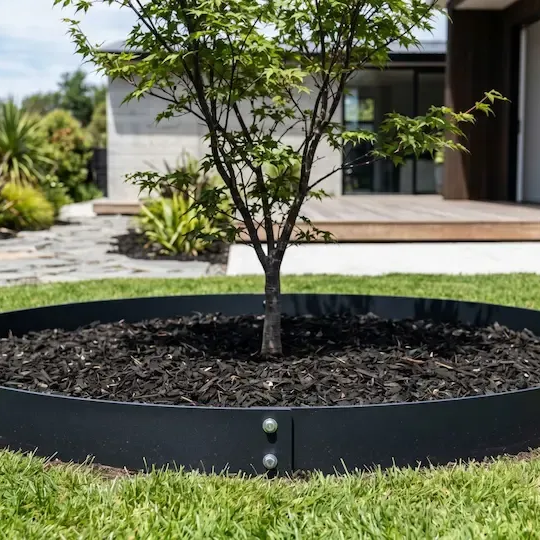
If you require a massive, thick structural retaining curb for heavy commercial vehicle traffic, concrete has its place. But for residential garden beds, lawn borders, tree rings, and gravel pathways, high-grade steel edging is the superior modern solution.


Steel gives you the structural permanence of concrete without the cracking risks, bulky appearance, heavy excavation, or high contractor costs.


Ready to transform your home’s outdoor space? Explore our complete steel edging range today to order directly online or get in touch with our team for advice tailored to your project.

Recent Posts

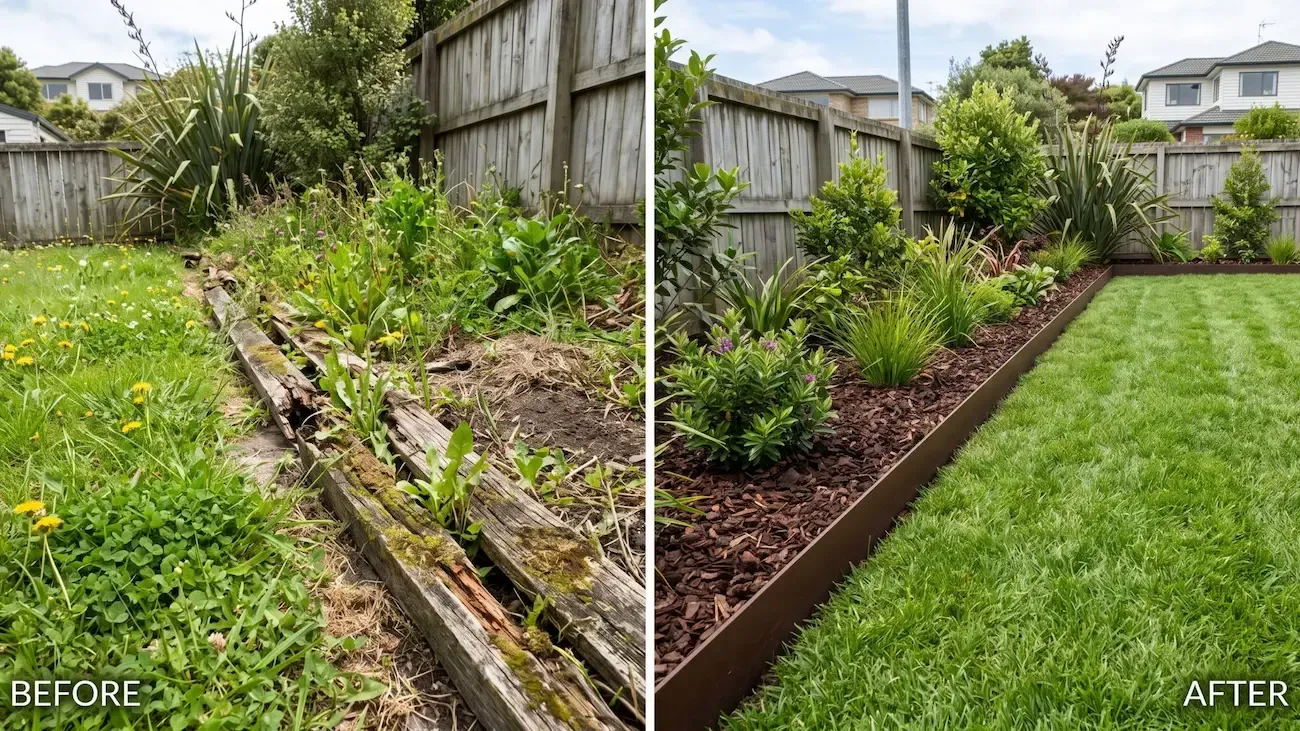
Before-and-after backyard: overgrown garden transformed into neat, mulched planting beds and lawn.
14 September 2026
Compare timber and steel garden edging for NZ backyards. Discover differences in rot resistance, installation effort, and long-term value.
Curved gravel path through green lawn, leading to a fenced garden gate under cloudy sky.
27 July 2026
Master your garden boundaries with metal landscaping edging. Learn about Cor-Ten vs galvanised finishes, steel gauges, installation tips, and lifetime ROI.
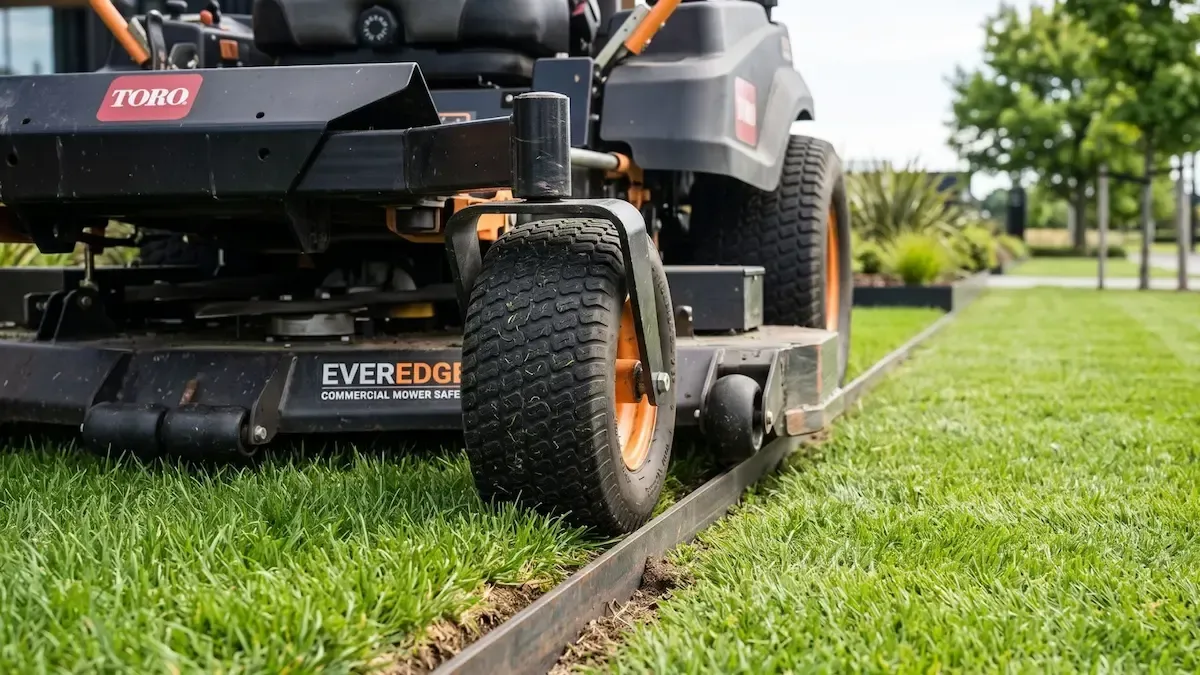
Lawn mower trimming grass along a straight edge beside a sidewalk
30 June 2026
Master your lawn care in winter. Discover how to protect your soil profile, manage damp mowing, and establish permanent, mower-safe steel borders before spring.
Lush garden path leading to steps and a white pergola, with flower beds and a green lawn on both sides
19 May 2026
Explore sunken vs raised garden beds in NZ. Learn benefits, drainage, aesthetics, and choose the best landscape design for your outdoor space.

Child running through a shallow puddle on green grass, splashing water with bare feet
22 April 2026
Tired of a boggy lawn? Discover how to prevent soil erosion and improve garden drainage this winter with EverEdge steel edging. The definitive NZ guide.
Cross-section of a circular soil planter with a central post and black legs supporting the bed
16 March 2026
Stop lawnmower damage and create a stunning landscape edge. Discover why EverEdge metal tree rings are the ultimate secret to healthy, thriving trees in NZ.
Person laying edging along a garden path beside a green lawn and flowers
18 February 2026
Avoid common DIY landscaping mistakes in your NZ garden. Discover 7 garden edging errors to avoid, from wrong materials to rust run-off issues.
Landscaped garden bed with shrubs and flowers beside a green lawn near a house
21 January 2026
This complete NZ guide to Corten steel edging explains weathering steel, key benefits, applications, installation methods and maintenance requirements.
Lush garden with green lawn, shrubs, and colorful trees in bright daylight
10 December 2025
Stuck for garden edging ideas? From modern minimalism to rustic cottage styles, we break down the 7 steps to mastering landscape design in New Zealand.
Show More